
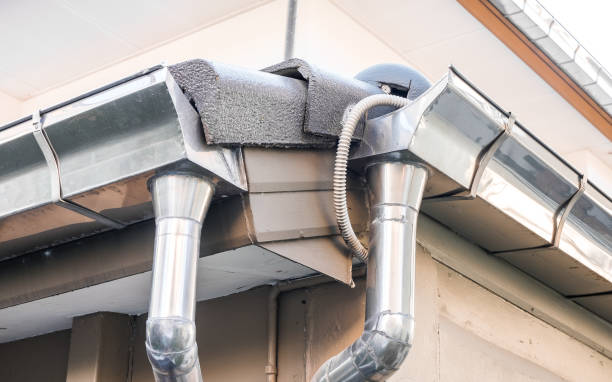
Utah’s dramatic climate, ranging from heavy winter snowfalls to spring thunderstorms, places a unique set of demands on residential gutter systems. When gutters become clogged with leaves, pine needles, or debris, water can back up, leading to roof leaks, foundation damage, and costly repairs. Implementing effective gutter protection strategies not only preserves the structural integrity of a home but also reduces maintenance time and extends the lifespan of the entire drainage system. This comprehensive overview outlines the most reliable methods, material choices, and best-practice installation tips for Utah homeowners seeking long-term performance.
Why Gutter Protection Is Essential in Utah
Understanding the local environmental factors helps clarify the value of a robust gutter solution:
- Snow and ice melt: Rapid thaw can produce large volumes of water in a short period, overwhelming unprotected gutters.
- Wind-blown debris: The state’s coniferous forests shed needles and small branches that quickly accumulate.
- Seasonal rainstorms: Intense downpours during monsoon-like events test the capacity of any drainage system.
By installing a reliable gutter protection system, homeowners mitigate these risks and enjoy a drier, healthier property.
Types of Gutter Protection Systems
1. Mesh or Screen Guards
Mesh guards consist of a fine metal or synthetic screen that sits inside the gutter, allowing water to flow while blocking larger debris. They are particularly effective against pine needles and small twigs.
- Pros: Durable, inexpensive, easy to retrofit.
- Cons: May require periodic cleaning to prevent fine debris buildup.
2. Surface (Reverse-Curve) Guards
These guards channel water over a curved surface and direct it into the gutter via a small opening, keeping most debris on the roof surface.
- Pros: Minimal interior gutter blockage.
- Cons: Higher installation cost; performance can vary with heavy snowfall.
3. Bottle-Brush (Foam) Inserts
Foam inserts fill the gutter channel, acting as a filter that traps debris while permitting water flow.
- Pros: Simple DIY installation, inexpensive.
- Cons: Can degrade over time, especially under UV exposure.
4. Gutter Filters
Removable filter trays sit at the bottom of the gutter, catching leaves and debris before they travel to the downspout.
For Utah homeowners looking for a low-maintenance option, gutter filters provide a balance of protection and accessibility.
Key Considerations for Selecting the Right System
- Climate compatibility: Choose a system that handles both snow melt and wind-blown debris.
- Roof pitch and material: Certain guards perform better on steep roofs or metal shingles.
- Maintenance preferences: Some homeowners prefer a “set-and-forget” solution, while others are comfortable with occasional cleaning.
- Budget constraints: Costs range from DIY foam inserts to professionally installed surface guards.
Best Practices for Installation in Utah
Proper installation is critical to ensure that any gutter guard installation delivers the promised performance. Follow these steps or engage qualified gutter guard installers utah for optimal results:
- Inspect existing gutters: Verify that the gutter is securely attached, free of rust, and correctly sloped (approximately ?? inch per 10 feet) toward the downspout.
- Measure accurately: Record the length of each gutter run to order the correct amount of guard material.
- Choose the appropriate fasteners: Stainless steel screws or clips resist corrosion from snow melt.
- Install according to manufacturer guidelines: For mesh guards, ensure the screen sits snugly inside the gutter without sagging.
- Test the system: After installation, run water through the gutters to confirm free flow and proper diversion.
Maintenance Tips to Extend System Life
Even the most advanced protection requires occasional attention, especially after major storms:
- Inspect the guard surface after heavy snowfall to clear any ice buildup.
- Use a garden hose to flush out fine debris from mesh or screen guards.
- Check downspout outlets for clogs and clear them with a plumber’s snake if needed.
- Schedule a professional review annually; a reputable gutter guard contractor can spot wear before it becomes a problem.
Choosing a Reliable Gutter Guard Provider
When selecting a service, consider the following criteria to ensure quality workmanship and lasting protection:
- Licensing and insurance specific to Utah residential projects.
- Positive customer reviews highlighting punctuality and clean-up standards.
- Transparent pricing that includes both materials and labor.
- Willingness to provide a written warranty on the guard system.
Homeowners searching for “gutter installation near me” often find that local specialists understand regional challenges better than national chains.
Cost Overview and Return on Investment
While the upfront expense varies, the long-term savings are compelling:
| System Type | Typical Material Cost | Installation Labor | Estimated Lifespan |
|---|---|---|---|
| Mesh/Screen Guard | $1-$2 per foot | $150-$300 per house | 10-15 years |
| Surface Guard | $3-$5 per foot | $300-$600 per house | 15-20 years |
| Foam Insert | $0.50-$1 per foot | DIY | 5-7 years |
| Filter Tray | $2-$4 per foot | $200-$400 per house | 12-18 years |
By preventing water damage, homeowners can avoid repair costs that often exceed $5,000, making gutter protection a financially sound investment.
Conclusion
Utah’s diverse weather patterns demand a proactive approach to rain-water management. Selecting the appropriate gutter guard Utah solution, ensuring a professional gutter guard installation, and adhering to regular maintenance routines together create a resilient drainage system. With the right strategy, homeowners safeguard their property, reduce long-term expenses, and enjoy peace of mind throughout the year.