
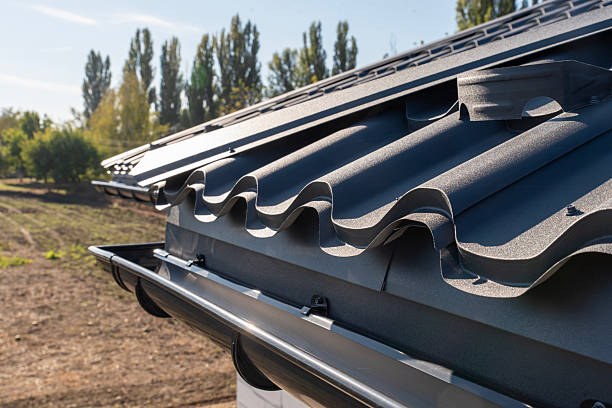
Utah’s diverse climate, ranging from heavy snowfalls in the Wasatch Mountains to intense summer thunderstorms in the valleys, places a unique strain on residential gutter systems. When gutters become clogged with leaves, pine needles, or debris, water can overflow, damage siding, erode foundations, and invite costly repairs. Selecting the right gutter protection strategy is therefore essential for preserving a home’s structural integrity and minimizing maintenance. This guide outlines the most effective gutter protection solutions, key factors to consider before installation, and practical tips for Utah homeowners seeking reliable performance.
Why Gutter Protection Matters in Utah
Understanding the local environmental pressures helps explain why gutter protection is more than a convenience, it’s a necessity.
- Snow melt runoff: Rapid thawing can generate large volumes of water that must be directed away from the foundation.
- Wind-blown debris: The high-elevation deserts and pine forests both contribute leaves, pine needles, and small branches that quickly clog traditional gutters.
- Temperature extremes: Repeated freeze-thaw cycles can cause metal gutters to expand and contract, leading to cracks if water is trapped inside.
Types of Gutter Protection Systems
1. Mesh or Screen Guards
Mesh guards consist of a fine metal or synthetic screen that sits over the gutter opening, allowing water to pass while filtering out debris. They are popular for their durability and relatively low cost.
- Effective at stopping leaves and pine needles.
- Requires periodic cleaning of the screen surface.
- Works well with gutter filters when combined with a secondary filtration layer.
2. Reverse-Curve (Surface Tension) Guards
These systems use a curved hood that redirects water toward the gutter while larger debris slides off the edge. They are aesthetically discreet and reduce the need for frequent cleaning.
- Ideal for homes with heavy leaf fall.
- May require professional gutter guard installation to ensure proper angle.
- Less effective in very heavy snow unless the design includes a heated element.
3. Bottle-Brush (Brushed) Guards
Brush-style guards feature a series of flexible bristles that trap debris while letting water flow through. They are easy to install as a DIY project.
- Simple removal for occasional deep cleaning.
- Best suited for areas with moderate debris, not heavy pine needle accumulation.
- Can be combined with gutter protection for added redundancy.
4. Foam Inserts
Foam inserts fill the gutter cavity, blocking debris while allowing water to seep through the porous material. They are quick to install but may degrade over time.
- Low upfront cost.
- Requires replacement every few years, especially after harsh winters.
- Not recommended as a sole solution for homes with significant snow melt.
Key Considerations Before Choosing a System
- Roof pitch and overhang: Steeper roofs generate faster water flow, which may demand a guard with a higher capacity.
- Local vegetation: Areas dominated by pine need finer mesh or combined solutions to handle needles.
- Budget vs. longevity: Higher-end systems often have a longer lifespan and lower maintenance costs.
- Professional expertise: Proper alignment and secure mounting are critical; hiring experienced gutter guard installers utah can prevent premature failure.
Installation Process Overview
A typical installation follows these steps, whether performed by a homeowner or a qualified contractor:
- Inspect existing gutters for damage and repair any cracks or loose sections.
- Measure the gutter length and select the appropriate guard size.
- Secure the guard to the gutter using manufacturer-specified fasteners.
- Test the system with a garden hose to confirm proper water flow.
- Schedule regular inspections, especially after heavy storms or snow melt.
For those searching for local expertise, the phrase gutter installation near me yields several reputable service providers who specialize in seamless integration of protection systems.
Maintenance Tips to Extend System Life
- Clear large debris from the roof edge before the first rain of the season.
- Inspect guards after each major storm for displacement.
- Use a soft brush or low-pressure hose to clean mesh surfaces; avoid abrasive tools that could damage the material.
- Check downspouts for blockages; a clogged downspout negates any guard benefits.
- Consider an annual professional check-up from trusted gutter guard contractors.
Choosing the Right Partner
When evaluating potential service providers, look for the following attributes:
- Licensing and insurance specific to Utah’s building codes.
- Positive customer reviews that mention reliability and clean workmanship.
- Transparent pricing that includes both product and labor.
- Experience with a variety of systems, indicating the ability to recommend the best fit for a particular home.
- Availability of a warranty covering both the guard material and installation labor.
Searching for a reputable gutter guard company utah can help ensure these criteria are met.
Cost Overview
While prices vary widely, a rough breakdown is as follows:
- Mesh guards: $3-$7 per linear foot (materials only).
- Reverse-curve systems: $8-$12 per linear foot, plus professional gutter guard installation fees.
- Brush guards: $2-$5 per linear foot; DIY installation possible.
- Foam inserts: $1-$3 per linear foot, with periodic replacement costs.
Investing in a higher-quality system often reduces long-term labor costs associated with gutter cleaning and repair.
Conclusion
For Utah homeowners, effective gutter protection is a strategic investment that safeguards property against the state’s demanding weather patterns. By understanding the available technologies, assessing local conditions, and partnering with knowledgeable gutter guard contractors, residents can select a solution that minimizes maintenance, prevents water damage, and preserves curb appeal. Regular inspections and proper upkeep will ensure that the chosen system performs reliably year after year, delivering peace of mind during both snow-melt season and summer storms.