
Digestive health is a cornerstone of overall wellbeing, influencing everything from nutrient absorption to immune function. Among the many natural solutions available, psyllium husk capsules have emerged as a convenient and effective way to support regularity, maintain gut balance, and promote a healthier gastrointestinal tract. This article explores the science behind psyllium, the specific advantages of taking it in capsule form, and practical tips for incorporating it into a daily routine.
Understanding Psyllium Husk
Psyllium husk is derived from the seeds of Plantago ovata, a plant native to the Mediterranean and parts of Asia. The husk is rich in soluble fiber, which absorbs water and forms a gel-like substance in the intestines. This unique property gives psyllium its reputation as a powerful bulk-forming laxative and a versatile dietary fiber supplement.
How Soluble Fiber Works
- Water absorption: Each gram of psyllium can absorb up to 10 grams of water, softening stool and easing its passage through the colon.
- Fermentation: In the large intestine, beneficial bacteria ferment the fiber, producing short-chain fatty acids that support colon health.
- Satiety: The gel formed in the stomach slows gastric emptying, helping to control appetite and support weight management.
Key Benefits of Psyllium Husk Capsules
While psyllium is available as a powder, capsules provide a mess-free, dose-controlled alternative that fits easily into modern lifestyles. The following benefits are supported by clinical research and real-world usage.
1. Promotes Regular Bowel Movements
- Increases stool bulk, stimulating peristalsis and reducing the likelihood of constipation.
- Gentle on the digestive tract, making it suitable for individuals with sensitive stomachs.
- Consistent use can normalize bowel frequency, typically resulting in one to two soft, formed stools per day.
2. Supports Gut Microbiome Health
- Acts as a prebiotic, feeding beneficial bacteria such as Bifidobacteria and Lactobacilli.
- Encourages the production of short-chain fatty acids, which help maintain the integrity of the intestinal lining.
- May reduce the growth of harmful bacteria by creating a more favorable environment for commensal microbes.
3. Aids in Cholesterol Management
- Soluble fiber binds bile acids, prompting the liver to use cholesterol to produce more bile, thereby lowering blood LDL levels.
- Long-term supplementation has been linked to modest reductions in total cholesterol and triglycerides.
4. Helps Regulate Blood Sugar
- The gel slows carbohydrate absorption, leading to a more gradual rise in post-prandial glucose.
- Can be an adjunct to dietary strategies for people with pre-diabetes or type 2 diabetes.
5. Convenient Daily Dose
- Each capsule delivers a precise amount of fiber, eliminating the guesswork associated with measuring powder.
- Portable and tasteless, capsules are ideal for travel, work, or on-the-go lifestyles.
- Reduced risk of gastrointestinal discomfort that some experience with high-dose powders.
Choosing the Right Product
When selecting a supplement, quality and purity are paramount. Look for capsules that are:
- Made from organic, non-GMO psyllium husk.
- Free from artificial fillers, binders, or allergens.
- Manufactured in facilities that follow Good Manufacturing Practices (GMP).
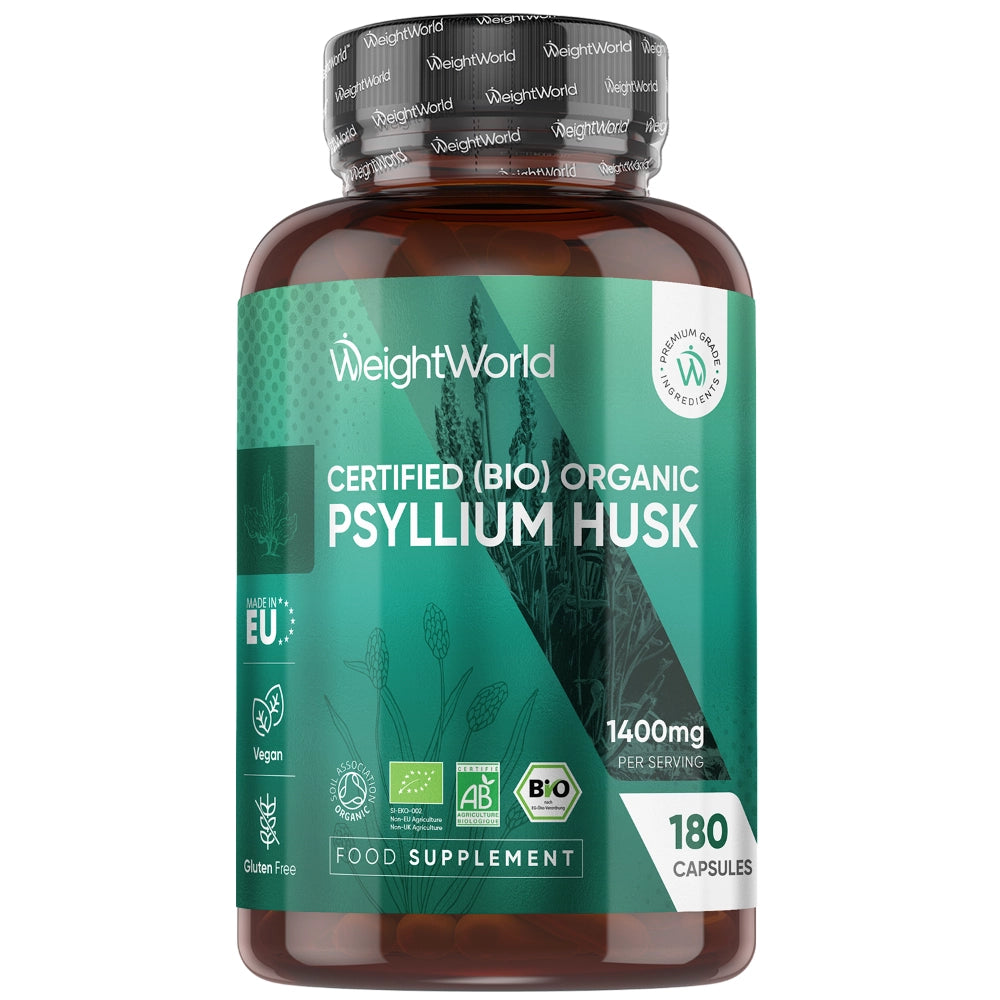
For a reputable option that meets these criteria, consider the psyllium husk capsules offered by a trusted health-focused retailer. The product provides 1400″?mg of pure psyllium per capsule, ensuring a potent yet gentle fiber boost.
How to Incorporate Capsules into Your Routine
To maximize the benefits while minimizing potential side effects, follow these practical guidelines:
- Start low, go slow: Begin with one capsule per day and gradually increase to the recommended dose (usually 2-3 capsules) as tolerated.
- Hydration is essential: Drink at least 8″?oz (250″?ml) of water with each dose; insufficient fluid can lead to discomfort or blockage.
- Timing matters: Many users find taking the capsules with breakfast or before a main meal helps regulate appetite and digestion throughout the day.
- Consistency is key: Regular daily intake yields the best results; occasional use may not provide lasting benefits.
Potential Side Effects and Precautions
While psyllium is generally safe for most adults, awareness of possible reactions helps ensure a positive experience.
- Gas and bloating: Initial increases in fiber can cause mild gastrointestinal gas; this often subsides after a few days.
- Allergic reactions: Rare, but individuals with a known plantago allergy should avoid psyllium.
- Medication interactions: Psyllium may affect the absorption of certain drugs; take medications at least two hours before or after the supplement.
Conclusion
Integrating psyllium husk capsules into a balanced diet offers a convenient, science-backed approach to enhancing digestive health. From promoting regularity and supporting a thriving gut microbiome to aiding cholesterol and blood-sugar control, the benefits extend well beyond simple bowel movement support. By choosing a high-quality, organic formulation and following best-practice dosing guidelines, individuals can experience smoother digestion, improved nutrient absorption, and overall greater wellbeing.