
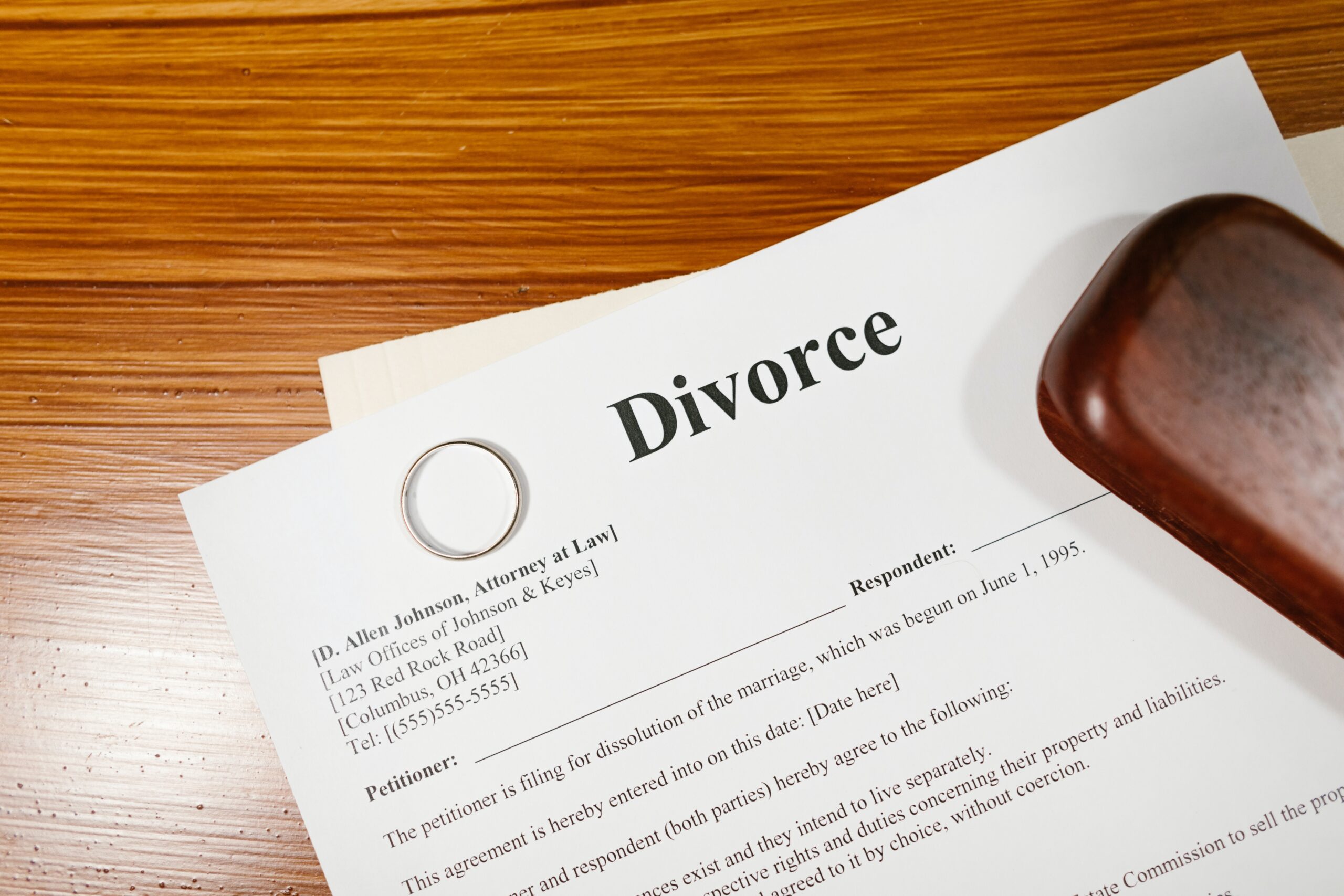
Navigating the process of obtaining divorce forms can be a daunting task, especially in a complex legal landscape like that of Denver County. Understanding the necessary procedures and requirements is crucial for those looking to end a marriage legally. This article aims to simplify the process by providing clear guidance on how to obtain the appropriate divorce forms in Denver County. By following these steps, individuals can ensure they are well-prepared to proceed with their divorce proceedings.
Understanding the Basics of Divorce Forms
Before diving into the specifics of acquiring Denver County divorce forms, it is essential to understand what these documents entail. Divorce forms are legal documents required to initiate and process a divorce. They typically include various forms that must be completed and filed with the court to legally dissolve a marriage.
Key Types of Divorce Forms
- Petition for Dissolution of Marriage: This form officially starts the divorce process and outlines the basic facts of the marriage and the grounds for divorce.
- Summons: A legal notice that informs the other party that a divorce action has been filed against them.
- Financial Affidavit: Details each party’s financial situation, including income, expenses, and assets.
- Parenting Plan: If children are involved, this document outlines the proposed custody and visitation arrangements.
Steps to Obtain Divorce Forms in Denver County
Acquiring the necessary divorce forms in Denver County involves a series of steps. These steps ensure that individuals have all the required documentation to file for divorce and that they are following the legal process correctly.
Step 1: Research and Identify Required Forms
The first step in the process is to research and identify which specific forms are required for your situation. The requirements may vary depending on factors such as whether the divorce is contested or uncontested, or if there are minor children involved.
Step 2: Access and Download the Forms
Once the necessary forms have been identified, they can be accessed and downloaded from official sources. The denver county divorce forms are available online through the Colorado Judicial Branch’s website. It is important to ensure that the forms are the most current versions.
Step 3: Complete the Forms
- Fill out each form with accurate and complete information.
- Ensure that any financial disclosures are truthful and thorough.
- Consult with a legal professional if there are any uncertainties or complexities in the forms.
Step 4: File the Forms with the Court
After completing the forms, they must be filed with the appropriate Denver County court. This can typically be done in person or by mail. Filing fees may apply, so it is advisable to check the current fee schedule before submitting the forms.
Common Challenges and Solutions
The process of obtaining and filing divorce forms can present various challenges. However, with proper preparation and guidance, these challenges can be effectively managed.
Challenge: Understanding Legal Terminology
Legal documents often contain complex terminology that can be difficult to understand. To overcome this, individuals can:
- Seek clarification from legal dictionaries or online resources.
- Consult with a family law attorney for professional advice.
Challenge: Ensuring Accurate Information
Providing accurate information is crucial in divorce proceedings. Mistakes or omissions can lead to delays or legal complications. To ensure accuracy:
- Double-check all information before submitting forms.
- Keep copies of all submitted documents for personal records.
In conclusion, while navigating the system to obtain the necessary divorce forms in Denver County may seem complex, understanding each step and having access to the right resources can significantly simplify the process. By carefully following the outlined steps and seeking professional advice when needed, individuals can confidently manage their divorce proceedings.