
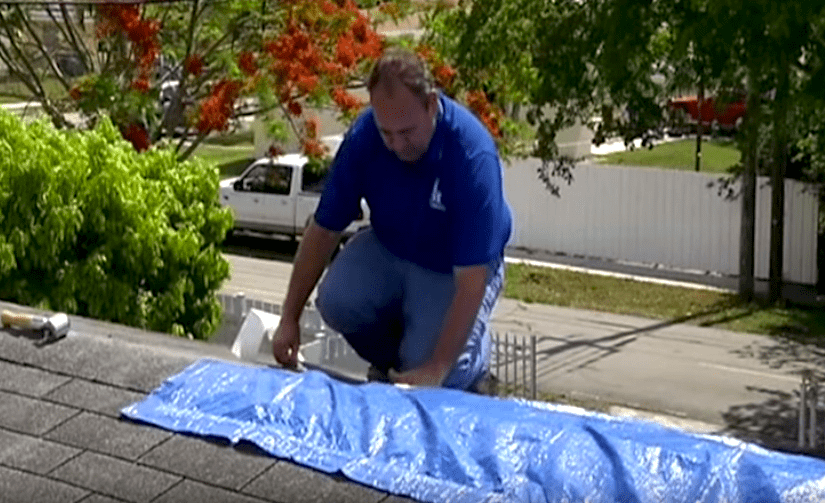
In the realm of construction and maintenance, protecting a roof from weather damage is a critical concern. Roofing tarps have long been a trusted solution for temporary coverage, offering a defense against the elements until permanent repairs can be made. Recently, self-adhesive roofing tarps have emerged as a game-changing innovation, providing an even more robust layer of protection. These tarps are easy to install, highly effective, and suitable for a variety of roofing needs. This article explores the benefits and applications of self-adhesive roofing tarps and offers insights into maximizing their effectiveness.
Understanding Self-Adhesive Roofing Tarps
Self-adhesive roofing tarps are designed with an integrated adhesive backing that simplifies the installation process. These tarps can be applied quickly and securely without the need for additional tools or fasteners. They offer several advantages over traditional tarps, making them a popular choice among contractors and homeowners alike.
Key Benefits
- **Ease of Installation**: The self-adhesive feature eliminates the need for nails or screws, reducing potential damage to the roof.
- **Durability**: Made from high-quality materials, these tarps are resistant to tears and punctures, ensuring long-lasting protection.
- **Weather Resistance**: They provide excellent protection against rain, wind, and UV rays, making them ideal for a variety of climatic conditions.
- **Versatility**: Suitable for different roof types and slopes, providing flexibility for various projects.
Applications of Self-Adhesive Roofing Tarps
Whether dealing with emergency repairs or planning maintenance, self-adhesive roofing tarps offer a practical solution. They are particularly useful in scenarios where quick and effective coverage is essential. For more information on specific applications and benefits, explore advanced guides and tips.
Emergency Roof Repairs
In the aftermath of a storm or other unexpected events, speed is of the essence. Self-adhesive roofing tarps enable rapid deployment, minimizing water ingress and further damage. This makes them an indispensable tool in emergency repair kits.
Construction and Renovation Projects
During construction or renovation, protecting unfinished or exposed roof sections is crucial. Self-adhesive tarps provide a reliable barrier, safeguarding materials and interior spaces from weather-related damage. For more insights into using these tarps in construction settings, discover expert strategies here.
Maximizing Protection: Best Practices
To ensure the maximum effectiveness of self-adhesive roofing tarps, certain best practices should be followed. Proper application and maintenance can significantly impact the tarp’s performance and longevity.
Proper Installation Techniques
- **Surface Preparation**: Ensure the roof surface is clean and dry before application to promote optimal adhesion.
- **Correct Placement**: Align the tarp correctly, ensuring it covers the intended area without gaps or wrinkles.
- **Secure Edges**: Press firmly along the edges to enhance adhesion and prevent wind uplift.
For more detailed instructions on installation techniques, learn about our tailored solutions.
Maintenance and Monitoring
- **Regular Inspections**: Check the tarp periodically for signs of wear or damage, particularly after adverse weather conditions.
- **Prompt Repairs**: Address any damage immediately to maintain the tarp’s protective capabilities.
For guidance on maintaining and monitoring roofing tarps, find out more about this approach.
Conclusion
Self-adhesive roofing tarps represent a significant advancement in temporary roofing solutions, offering ease of use and reliable protection. By understanding their applications and following best practices, users can effectively safeguard their roofs against the elements. For those seeking to enhance their knowledge and application of roofing tarps, a wealth of resources and products is available to explore.