
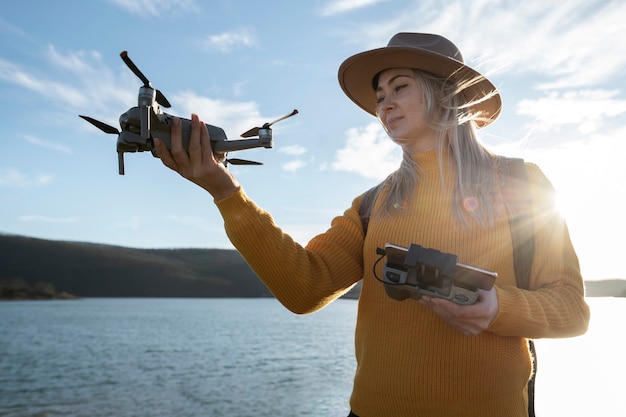
In recent years, drones have revolutionized the field of photography, offering unique perspectives and unprecedented access to stunning aerial views. Mastering the art of drone photography requires not only technical know-how but also a creative eye and a keen understanding of environmental elements. This article explores essential tips and techniques for capturing breathtaking aerial shots that stand out.
Understanding Your Equipment
Before taking to the skies, it is crucial to familiarize yourself with the capabilities and limitations of your drone. Each model offers different features, so understanding how to leverage these effectively can vastly improve your photography.
Camera Settings
- Adjust the ISO, shutter speed, and aperture to suit the lighting conditions.
- Utilize manual focus to ensure crisp and clear images.
- Shoot in RAW format for greater editing flexibility and enhanced image quality.
Flight Modes
Many drones are equipped with various flight modes that can enhance your shooting experience:
- Experiment with Follow Me mode to capture dynamic action shots.
- Use Point of Interest mode to circle a subject for a cinematic effect.
- Try Waypoints to pre-program a flight path for consistent results.
Composition Techniques
The principles of composition are as essential in aerial photography as they are in traditional photography. Implementing these techniques can transform a mundane shot into a masterpiece.
Rule of Thirds
Divide your frame into a grid and position key elements along these lines or intersections to create a balanced and compelling image.
Leading Lines
Utilize natural lines in the environment, such as roads, rivers, or coastlines, to guide the viewer?s eye through the photograph.
Frame Your Subject
- Use natural elements like trees or buildings to frame your subject and add depth to the image.
- Consider the use of shadows and reflections to create interesting compositions.
Environmental Considerations
Weather, lighting, and timing play a significant role in capturing the perfect aerial shot. Being mindful of these factors can help enhance the quality of your photographs.
Weather Conditions
- Check the weather forecast to avoid strong winds or rain, which can affect drone stability.
- Cloudy skies can provide soft, diffused lighting, while clear skies may offer dramatic contrasts.
Golden Hour
Shooting during the golden hour?shortly after sunrise or before sunset?can result in warm, flattering light that enhances textures and colors.
Post-Processing
Post-processing is an integral part of drone photography that can elevate your final images.
Editing Software
- Use professional editing software such as Adobe Lightroom or Photoshop for fine-tuning your images.
- Adjust exposure, contrast, and color balance to enhance the overall appearance.
- Crop and straighten your photos to improve composition and remove distractions.
By mastering these techniques and continuously practicing, photographers can harness the full potential of drones to capture stunning aerial imagery. Whether for personal enjoyment or professional work, understanding and implementing these strategies can significantly impact the quality and creativity of your drone photography.