
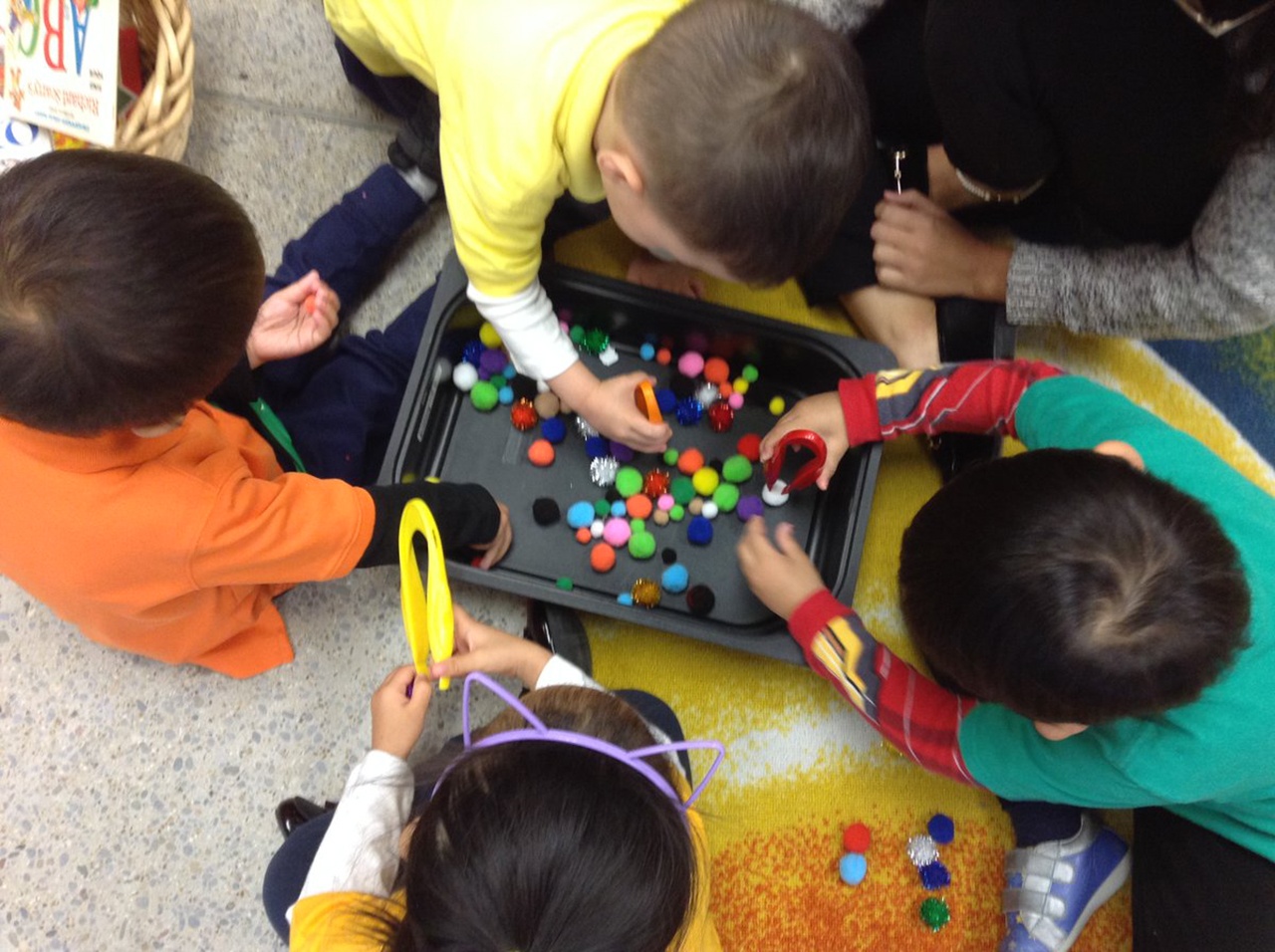
Creating engaging infant sensory play activities is crucial for the developmental milestones of a baby. These activities stimulate the senses and play a significant role in cognitive growth, fine and gross motor skills development, and emotional well-being. Sensory play provides infants with a unique platform to explore their environment, helping them build a strong foundation for learning. Understanding how to create these experiences effectively can enhance the developmental benefits for infants. Here, expert insights and strategies are shared to design meaningful sensory play activities that captivate and nurture infants.
Understanding Infant Sensory Play
Before diving into creating activities, it’s essential to understand what sensory play involves. Sensory play is any activity that stimulates a child’s senses: touch, smell, taste, sight, and hearing. For infants, these experiences are about exploration and discovery.
- Touch: Textured toys, soft fabrics, or items with varying surfaces.
- Smell: Safe, non-toxic scents like vanilla or lavender.
- Taste: Edible play materials such as mashed fruits.
- Sight: Bright colors, contrasts, and movement.
- Hearing: Musical toys, rattles, and soothing sounds.
For a deeper understanding of sensory play’s impact on infants, discover expert strategies here.
Designing Engaging Sensory Play Activities
Activity Ideas for Touch
To engage an infant’s sense of touch, consider activities that involve various textures and temperatures:
- Texture Boards: Create a board with different materials like sandpaper, cotton, and silk.
- Water Play: Use a shallow basin with water and safe floating toys.
- Play Dough: Use homemade, non-toxic play dough to encourage tactile exploration.
For more ideas on creating tactile experiences, learn about our tailored solutions.
Incorporating Sounds
Sounds play a vital role in sensory development. Here are some activities to consider:
- Musical Instruments: Simple instruments like maracas or tambourines.
- Nature Sounds: Play recordings of rain, birds, or ocean waves.
- Sing-Alongs: Engage with nursery rhymes and lullabies.
Explore advanced guides and tips for incorporating auditory elements into sensory play.
Visual Stimuli
Visual stimulation is crucial for infants. Utilize these activities to engage their sense of sight:
- High-Contrast Toys: Black and white or brightly colored toys.
- Light Play: Use a flashlight or soft, colorful lights in a dark room.
- Visual Mobiles: Hang mobiles with various shapes and colors above their crib.
Find out more about this approach to visual sensory play here.
Ensuring Safety in Sensory Play
Safety is paramount when designing sensory play activities. Always consider the following:
- Non-toxic Materials: Use items that are safe for infants to touch and taste.
- Supervision: Always supervise infants during play to prevent choking or other hazards.
- Cleanliness: Ensure all materials are clean and sanitized.
For comprehensive safety guidelines, explore advanced guides and tips.
Conclusion
Creating engaging infant sensory play activities requires a blend of creativity, understanding of developmental needs, and a focus on safety. By incorporating a variety of sensory experiences, caregivers can significantly enhance an infant’s learning and growth. For further insights and expert recommendations, discover expert strategies here.