
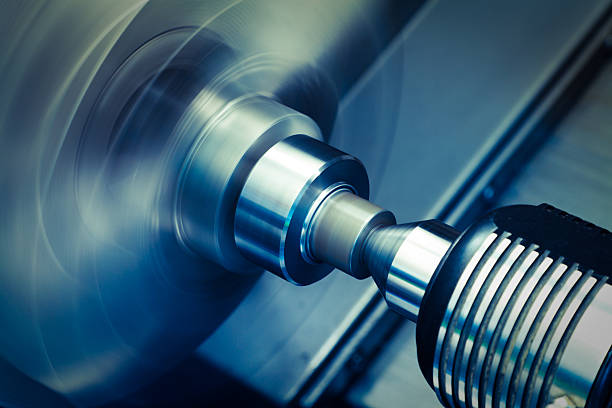
In today’s rapidly evolving technological landscape, digital cutting machines have emerged as a cornerstone of precision manufacturing and creative industries. These machines harness the power of computer-controlled processes to execute complex cuts with unparalleled accuracy and efficiency. As industries strive for greater precision and cost-effectiveness, digital cutting technologies have become indispensable tools, facilitating a wide array of applications across various sectors.
Understanding Digital Cutting Machines
Digital cutting machines are advanced devices that utilize computer-driven technology to cut materials with precision. They are integral to industries ranging from textiles to automotive manufacturing, where precision and speed are paramount. These machines employ various cutting techniques, including laser, water jet, and CNC (Computer Numerical Control) cutting, each offering unique advantages.
Types of Cutting Techniques
- Laser Cutting: Utilizes a high-powered laser beam to slice through materials. It is known for its precision and ability to cut intricate designs.
- Water Jet Cutting: Employs a high-pressure jet of water, sometimes mixed with abrasive substances, to cut through materials without thermal distortion.
- CNC Cutting: Involves the use of computer-controlled machines to cut materials. This method is highly versatile and can be used on a variety of materials, including metal, wood, and plastic.
These cutting techniques are integral to the functionality of digital cutting machines, each tailored to specific materials and applications. The choice of technique depends on the material being cut and the desired outcome.
Applications of Digital Cutting Machines
Digital cutting machines are utilized in numerous industries, each benefiting from the precision and efficiency these machines provide. Some of the key applications include:
- Textile Industry: Used for cutting fabrics with precision, reducing waste and increasing productivity.
- Automotive Manufacturing: Essential for producing parts with tight tolerances and complex geometries.
- Signage and Advertising: Facilitates the creation of intricate designs and shapes for signage materials.
- Packaging Industry: Enables the creation of custom packaging solutions with precise dimensions and designs.
Each application showcases the versatility and adaptability of digital cutting machines, making them a vital asset in modern manufacturing and design processes.
Advantages of Digital Cutting Machines
Utilizing digital cutting machines offers a myriad of advantages that can significantly enhance production processes and outcomes. Some of these benefits include:
- Precision: These machines provide high levels of accuracy, enabling the production of complex designs with tight tolerances.
- Efficiency: Automated processes reduce the need for manual labor, increasing productivity and reducing production times.
- Versatility: Capable of cutting a wide range of materials, from textiles to metals, making them suitable for diverse industries.
- Cost-Effectiveness: Reduces material waste and operational costs through precise cutting and minimal human intervention.
Such advantages position digital cutting machines as a crucial component in achieving competitive advantage in various market sectors.
The Future of Digital Cutting Technology
As technology continues to advance, the future of digital cutting machines holds immense potential. Innovations in software and hardware are expected to further enhance the capabilities of these machines, making them even more integral to manufacturing and creative industries. The integration of AI and IoT in digital cutting technology is set to revolutionize production processes, offering real-time data analysis and more efficient workflows.
For those in industries reliant on precision and efficiency, understanding and adopting the latest in digital cutting machine technology is essential. This evolving field promises to transform how industries operate, highlighting the importance of staying abreast of cutting-edge technological advancements.