
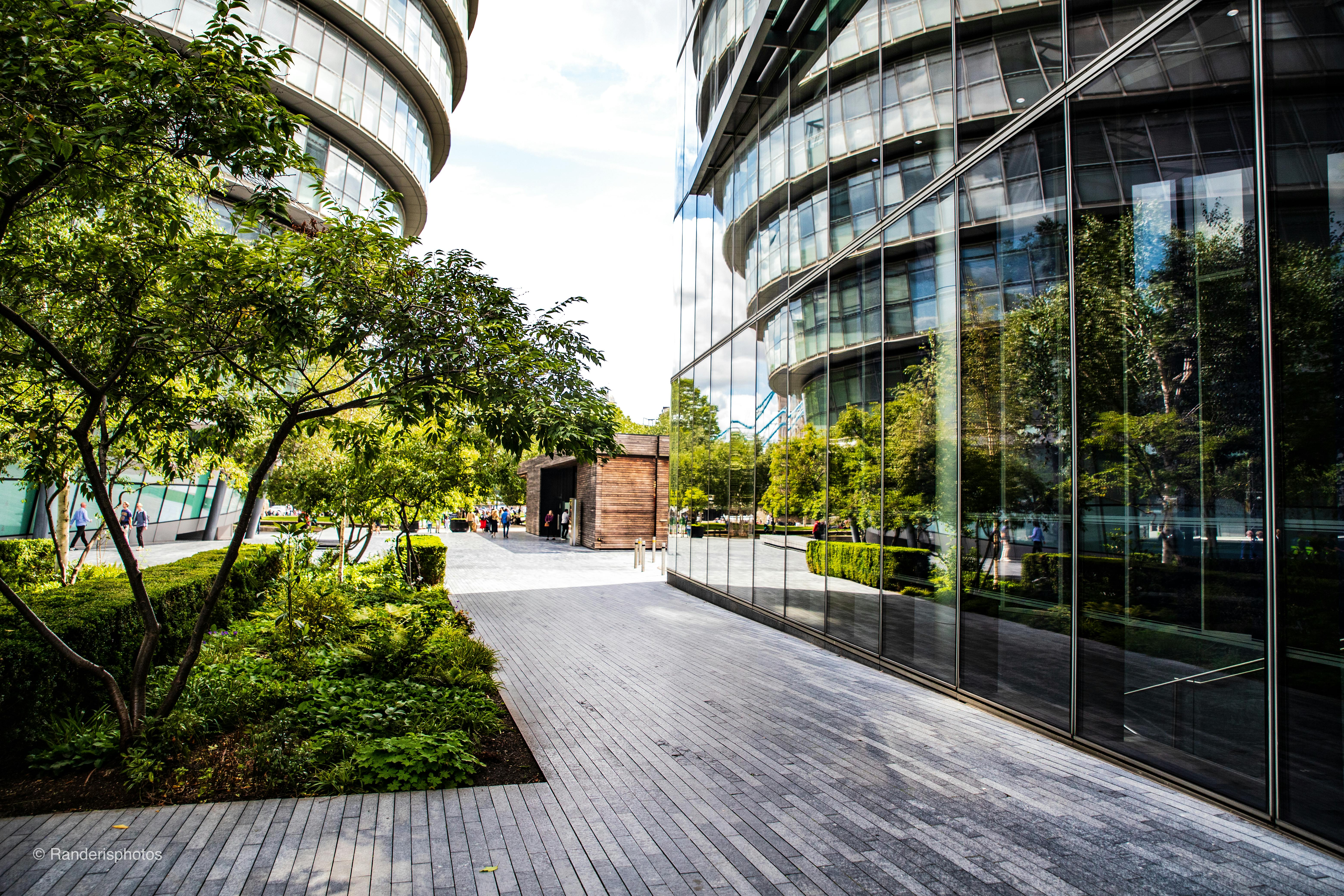
In an era where sustainability is becoming increasingly critical, the construction industry is taking significant strides towards more eco-friendly practices. Creating resilient structures that stand the test of time while minimizing environmental impact is paramount. Sustainable construction not only supports ecological balance but also enhances the quality and durability of buildings. This article delves into the integration of sustainable methodologies in modern construction, offering insights into building long-lasting structures that benefit both the environment and the economy.
The Essence of Sustainable Construction
Sustainable construction refers to the adoption of environmentally responsible practices throughout the life cycle of a building. This includes design, construction, operation, maintenance, and eventual demolition. The goal is to minimize the industry’s carbon footprint while maximizing resource efficiency.
Key Principles
- Utilization of renewable resources.
- Reduction of waste and pollution.
- Enhanced energy efficiency.
- Water conservation strategies.
- Improving indoor environmental quality.
These principles guide the development of construction projects that are not only resilient but also sustainable. Find out more about this approach.
Innovative Materials in Sustainable Construction
One of the most significant advancements in sustainable construction is the development and use of innovative materials. These materials are designed to have a lower environmental impact while maintaining or improving the performance standards of traditional materials.
Examples of Sustainable Materials
- Recycled Steel: Reduces the need for virgin material extraction and energy consumption.
- Bamboo: A rapidly renewable resource that offers excellent strength-to-weight ratio.
- Rammed Earth: Utilized for its thermal mass and minimal carbon footprint.
- Insulated Concrete Forms (ICFs): Used for their energy efficiency and durability.
For more detailed information on these materials and their applications, explore advanced guides and tips.
Integrating Sustainable Practices in Construction Projects
Implementing sustainable practices in construction projects requires careful planning and a commitment to eco-friendly goals. Here are some strategies for integrating sustainability into construction:
Design Phase
- Incorporate passive solar designs to reduce energy consumption.
- Implement green roofs and walls to improve insulation and biodiversity.
Construction Phase
- Employ low-impact construction techniques to minimize site disturbance.
- Use prefabricated components to reduce waste and improve efficiency.
To learn about tailored solutions that enhance sustainability in construction, discover expert strategies here.
The Economic and Environmental Benefits
Sustainable construction offers numerous advantages that extend beyond environmental preservation. By investing in sustainable methods and materials, stakeholders can experience significant economic benefits.
Cost Savings
- Reduced energy and water bills through efficient systems.
- Lower maintenance and operation costs due to durable materials.
Environmental Impact
- Decreased greenhouse gas emissions contribute to climate change mitigation.
- Preservation of natural resources through recycling and renewable resource use.
These benefits underscore the importance of adopting sustainable practices in the construction industry. Learn about our tailored solutions.
Conclusion
Building resilient structures with sustainable construction not only addresses current environmental challenges but also sets a foundation for future generations. Through innovative materials, sustainable practices, and a commitment to reducing environmental footprints, the construction industry can lead the way towards a more sustainable future. For those interested in further exploring sustainable construction methodologies, discover expert strategies here. Embracing these practices ensures that the buildings of today contribute positively to the world of tomorrow.