
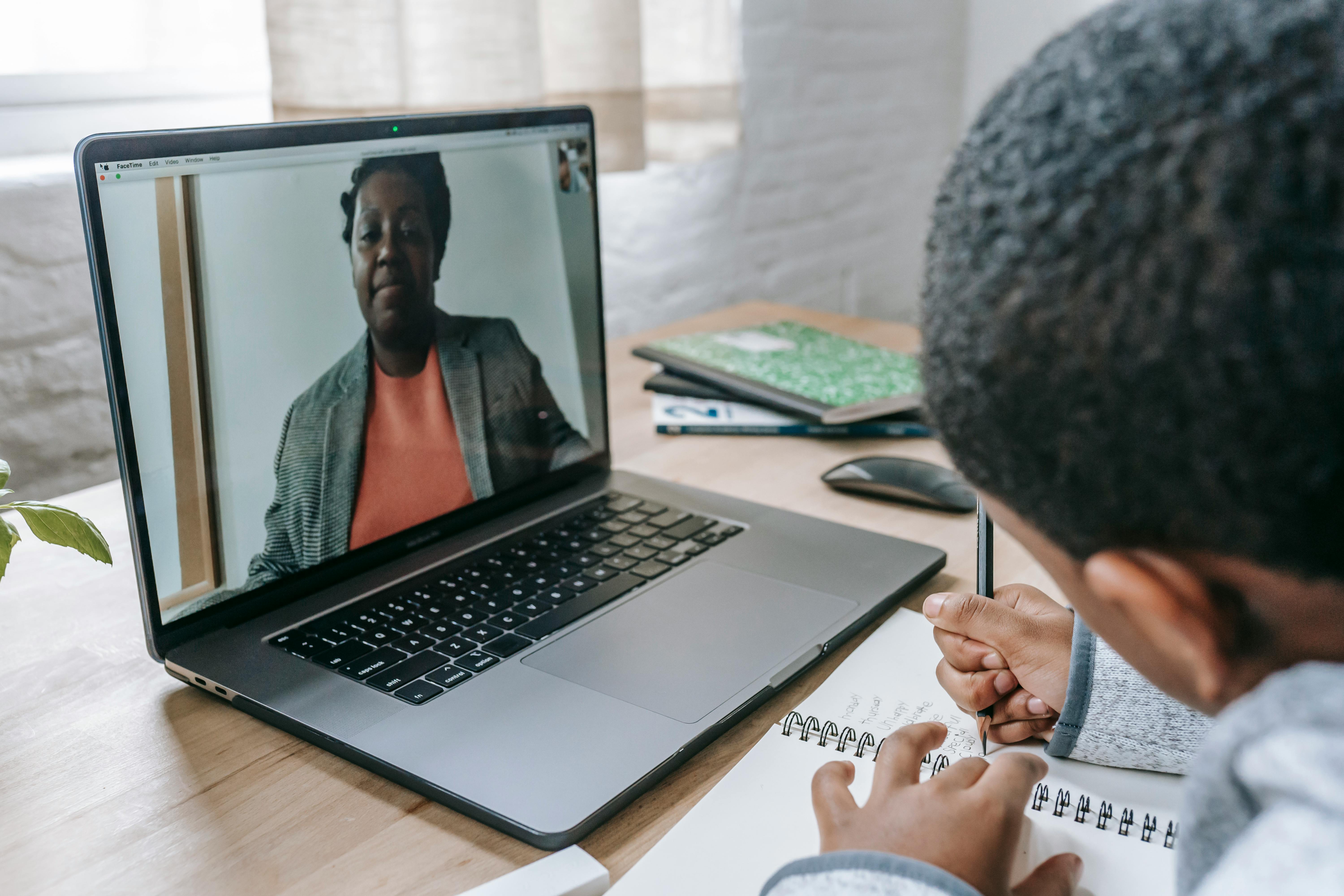
In today’s digital age, the traditional classroom is no longer the sole environment where children can develop a love for history. Online platforms now offer flexible, engaging, and curriculum-aligned instruction that can be customized to each child’s learning style. By leveraging interactive tools, multimedia resources, and experienced educators, parents can enhance their child’s understanding of the past while fitting lessons into busy family schedules. This article explores the benefits, key features, and practical tips for selecting effective online history tuition for primary learners.
Why Online History Tuition Works for Young Learners
Primary-aged children thrive when learning is visual, interactive, and paced to their attention span. Online history tuition provides these elements in a way that traditional textbook-only approaches often cannot.
- Interactive Multimedia: Videos, animated timelines, and virtual museum tours turn abstract dates into vivid stories.
- Personalized Pace: Tutors can adjust the speed of instruction, revisiting concepts until mastery is achieved.
- Safe Learning Environment: One-to-one virtual rooms reduce classroom distractions and allow focused discussion.
- Parental Involvement: Session recordings and progress reports keep parents informed and engaged.
Key Features of Quality Online History Programs
Curriculum Alignment
Effective programs map directly to national primary history standards, ensuring that every lesson contributes to the required learning outcomes. Look for tutors who reference specific syllabus points and can demonstrate how each activity meets those benchmarks.
Qualified Tutors
Credentials matter. Tutors should possess a background in education or history, along with experience teaching young children. Many platforms vet their educators through rigorous assessments and continuous professional development.
Engagement Tools
Interactive quizzes, digital storyboards, and gamified assessments keep children motivated. When a lesson incorporates a quiz that instantly shows correct answers, learners receive immediate feedback, reinforcing retention.
How to Choose the Right Tutor
Selecting a tutor is a crucial step. Consider the following criteria to ensure a good match for your child’s needs.
- Teaching Style: Does the tutor use storytelling, inquiry-based learning, or a mix of both? Choose a style that resonates with your child’s curiosity.
- Communication: Clear, friendly communication with both child and parent builds trust and facilitates progress tracking.
- Flexibility: Look for tutors who can adapt lesson times to accommodate school schedules and extracurricular activities.
- Technology Comfort: The tutor should be proficient with video-conferencing tools and digital resources to avoid technical hiccups.
For families seeking a seamless match, exploring a reputable platform that offers a curated list of specialists can save time. One such resource provides access to a history tutor online who specializes in primary-level content.
Benefits Beyond Academic Scores
While improved test results are a tangible outcome, online history tuition also nurtures softer skills that serve children throughout life.
- Critical Thinking: Analyzing cause and effect in historical events sharpens logical reasoning.
- Empathy: Understanding diverse cultures and perspectives fosters compassion.
- Communication: Discussing historical narratives improves oral and written expression.
- Research Skills: Learning how to locate, evaluate, and cite sources lays groundwork for future academic work.
Practical Tips for Maximizing Online Sessions
- Prepare the Space: Ensure a quiet, well-lit area with a stable internet connection and minimal distractions.
- Set Clear Goals: Before each session, agree on a specific objective, such as mastering the timeline of ancient Egypt.
- Use Supplementary Materials: Combine virtual lessons with physical books, maps, or simple crafts to reinforce concepts.
- Review and Reflect: After each class, discuss what was learned and encourage the child to summarize in their own words.
- Track Progress: Maintain a simple log of topics covered, strengths, and areas needing review.
When looking for a program that offers structured, age-appropriate support, consider a service that advertises history tuition for primary class. Such platforms often provide trial lessons and detailed tutor profiles.
Future-Ready Learning
History is not just about memorizing dates; it teaches children how to interpret information, ask questions, and understand the world’s complexity. By integrating technology with expert instruction, online history tuition prepares young learners for a future where digital literacy and analytical thinking are essential.
Choosing the right partner for this journey can make a lasting impact. Platforms that connect families with primary online history tutors combine convenience with quality, ensuring that every child can explore the past with confidence and curiosity.