
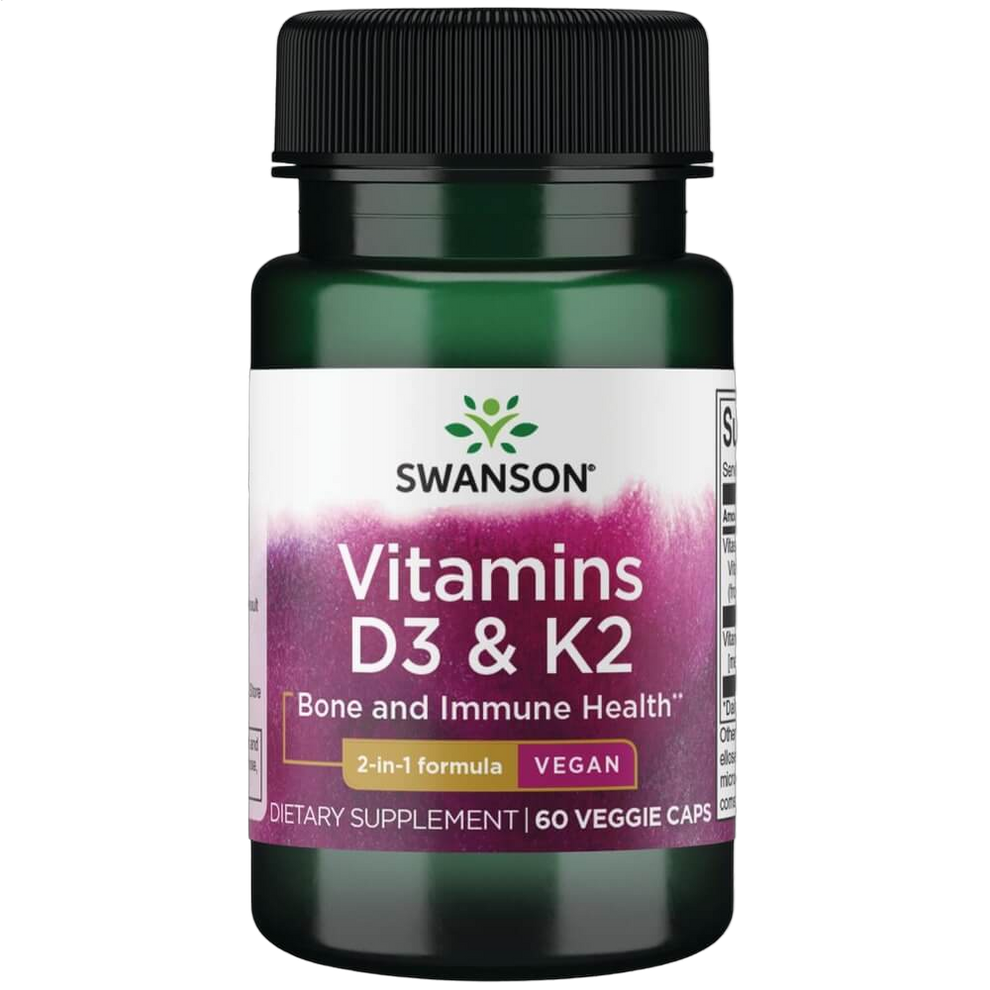
As people age, maintaining strong bones and cardiovascular health becomes increasingly important. Vitamin”?D3 and vitamin”?K2 work together to support calcium metabolism, bone density, and arterial flexibility, key factors for seniors who want to stay active and independent. Choosing the right supplement in the UK market can be confusing, given the variety of formulations, dosages, and quality standards. This guide outlines the essential criteria for selecting a high-quality vitamin”?D3″?+”?K2 product, highlights the specific needs of older adults, and provides practical tips for making an informed purchase.
Why Vitamin”?D3″?and K2 Are Critical for Seniors
Synergistic Role in Calcium Management
- Vitamin”?D3 enhances intestinal absorption of calcium, ensuring that enough mineral reaches the bloodstream.
- Vitamin”?K2 activates osteocalcin, a protein that directs calcium to bone tissue and away from soft tissues such as arteries.
- The combination reduces the risk of vascular calcification while promoting stronger, denser bones.
Age-Related Considerations
- Skin synthesis of vitamin”?D declines after age 60, making dietary sources and supplementation essential.
- Older adults often have reduced gut microbiota diversity, which can affect the conversion of vitamin”?K1 (from leafy greens) to the more active K2 form.
- Medication interactions (e.g., blood thinners) require careful monitoring of vitamin”?K intake, emphasizing the need for a reliable, standardized supplement.
Key Factors to Evaluate When Selecting a Supplement
1. Form of Vitamin”?K2
Vitamin”?K2 exists primarily as MK-4 and MK-7. MK-7 has a longer half-life, providing steadier blood levels, which is generally preferred for seniors.
2. Dosage and Ratio
- Typical effective doses: 1,000-2,000″?IU of vitamin”?D3 and 100-200″???g of vitamin”?K2 (MK-7) per day.
- Look for products that clearly state the ratio, ensuring balanced intake without excessive vitamin”?D that could lead to hypercalcemia.
3. Purity and Manufacturing Standards
- Third-party testing (e.g., UKAS, NSF) verifies potency and absence of contaminants such as heavy metals.
- GMP-certified facilities guarantee consistent quality across batches.
4. Bioavailability Enhancers
Some formulations include medium-chain triglyceride (MCT) oil or olive oil to improve absorption of the fat-soluble vitamins.
5. Tablet vs. Softgel
- Softgels often contain oil bases that aid absorption, but tablets may be preferable for those who avoid gelatin.
- Check the label for “vitamin d3 and k2 tablets” if a non-gelatin option is desired.
Top Recommended Features for a Senior-Friendly Product
- Easy-to-swallow size – tablets or softgels that are no larger than 1″?cm in diameter.
- Clear labeling – dosage per serving, ingredient list, and any allergens highlighted.
- Stable formulation – airtight packaging that protects against oxidation.
- Transparent sourcing – ingredients derived from reputable, sustainable suppliers.
How to Incorporate the Supplement Into a Daily Routine
Timing and Meal Pairing
Because both vitamins are fat-soluble, taking the supplement with a meal that contains healthy fats (e.g., avocado, nuts, or olive oil) maximises absorption.
Monitoring and Safety
- Schedule a baseline blood test for 25-hydroxy vitamin”?D and under-carboxylated osteocalcin to assess current status.
- Re-test every 3-6″?months after starting supplementation to adjust dosage if needed.
- Consult a healthcare professional before beginning if on anticoagulant therapy, due to vitamin”?K’s role in clotting.
Where to Find Reliable Options in the UK
Several reputable online retailers specialise in high-quality d3k2 vitamin blends that meet the criteria outlined above. When browsing, look for product pages that provide third-party test certificates, clear dosage information, and customer reviews that mention consistency and ease of use. Selecting a product marketed as the best vitamin d3 k2 supplement uk often indicates a focus on both efficacy and regulatory compliance.
Frequently Asked Questions
Can I take vitamin”?D3″?+”?K2 with other supplements?
Yes, but avoid simultaneous high doses of calcium or magnesium that could compete for absorption. Spacing them by a few hours is advisable.
Is there a risk of taking too much vitamin”?K2?
Vitamin”?K2 toxicity is rare, but extremely high doses may interfere with anticoagulant medication. Always follow the recommended daily amount.
How long before I see benefits?
Bone density improvements typically become measurable after 6-12″?months of consistent use, while cardiovascular benefits may be observed earlier through improved arterial elasticity.
Conclusion
Choosing a high-quality vitamin”?D3″?+”?K2 supplement tailored for seniors involves evaluating the form of K2, dosage balance, manufacturing standards, and delivery format. By prioritising products that offer transparent testing, bioavailability enhancers, and senior-friendly tablet sizes, older adults can confidently support bone health and cardiovascular function. Integrating the supplement with a balanced diet, regular monitoring, and professional guidance ensures optimal results and a healthier, more active later life.
For those ready to explore specific options, the UK market offers a range of well-formulated choices, including vitamin d3 and k2 supplements that align with the outlined criteria. Selecting the right product can make a meaningful difference in maintaining mobility, independence, and overall wellbeing.