
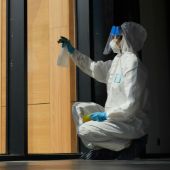
Indoor air quality (IAQ) has a direct impact on health, comfort, and overall well-being within a home. As modern construction becomes tighter and the use of synthetic materials rises, contaminants such as mold spores, volatile organic compounds (VOCs), and particulate matter can accumulate unnoticed. Reliable residential air testing services provide the data needed to identify problems early, guide remediation efforts, and maintain a safe living environment for occupants of all ages. Understanding how these services work and what to expect can empower homeowners to make informed decisions about their indoor environment.
Why Professional Air Testing Is Essential
While DIY kits offer a quick snapshot, professional testing delivers comprehensive, scientifically validated results. Certified technicians use calibrated equipment and follow standardized protocols, ensuring that measurements are accurate and comparable over time. This level of precision is crucial for:
- Detecting hidden sources of contamination such as behind walls or in HVAC systems.
- Quantifying pollutant concentrations against health-based guidelines.
- Providing documentation required for insurance claims or property transactions.
- Establishing a baseline for ongoing indoor air quality monitoring.
For a deeper dive into the importance of accurate IAQ assessments, Read more about this topic.
Key Components of a Residential Air Test
Sampling Methods
The most common approaches include:
- Passive sampling: Devices left in place for a set period to absorb airborne chemicals.
- Active sampling: Pumps draw air through filters or sorbent tubes for real-time analysis.
- Real-time monitoring: Instruments such as particle counters or CO??? sensors provide instantaneous data.
Parameters Typically Measured
A thorough residential assessment often evaluates:
- Particulate matter (PM???.??? and PM??????)
- Formaldehyde and other VOCs
- Carbon monoxide (CO) and carbon dioxide (CO???)
- Radon levels
- Biological contaminants (mold, bacteria)
To explore the range of contaminants that may affect a home, Learn more in this detailed guide.
Steps Involved in the Testing Process
A typical service follows a clear, repeatable workflow:
- Pre-assessment consultation: The technician gathers information about the home’s age, ventilation, recent renovations, and any health concerns.
- Site inspection: Identification of sampling locations based on airflow patterns and potential pollutant sources.
- Sample collection: Deployment of appropriate devices for the required duration.
- Laboratory analysis: Samples are sent to accredited labs where they are quantified against recognized standards.
- Report delivery: Results are compiled into an easy-to-understand report, often including recommendations for mitigation.
Detailed explanations of each phase can be found by Explore further insights here.
Interpreting the Results
Understanding the numbers is as important as obtaining them. Reports typically compare measured concentrations to thresholds set by organizations such as the World Health Organization (WHO) or national health agencies. When levels exceed recommended limits, the report will highlight:
- Specific rooms or zones with elevated readings.
- Potential sources (e.g., unfinished basements, gas appliances).
- Suggested remediation actions, ranging from increased ventilation to professional abatement.
For guidance on interpreting IAQ data, Find additional information here.
Choosing a Reliable Service Provider
Selecting a qualified testing service ensures that the data is trustworthy and actionable. Consider the following criteria:
- Certification of technicians (e.g., Certified Indoor Environmental Consultant).
- Use of accredited laboratories for analysis.
- Transparent methodology and clear reporting standards.
- Availability of post-test support, such as follow-up testing or advice on mitigation strategies.
Maintaining Healthy Indoor Air After Testing
Testing is only the first step; ongoing maintenance keeps the indoor environment safe. Effective practices include:
- Regular HVAC filter replacement and system cleaning.
- Ensuring adequate ventilation, especially in kitchens and bathrooms.
- Controlling indoor humidity (ideally 30-50%) to prevent mold growth.
- Using low-emitting paints, finishes, and cleaning products.
- Scheduling periodic re-testing, especially after renovations or changes in occupancy.
A schedule for routine IAQ monitoring can be developed by consulting resources such as Read more about this topic.
Conclusion
Reliable residential air testing services provide the essential data needed to safeguard health, improve comfort, and protect property value. By understanding the testing methods, interpreting results accurately, and implementing recommended mitigation strategies, homeowners can create a healthier indoor environment for themselves and their families. Regular monitoring, combined with proactive maintenance, ensures that indoor air quality remains within safe limits for years to come.