
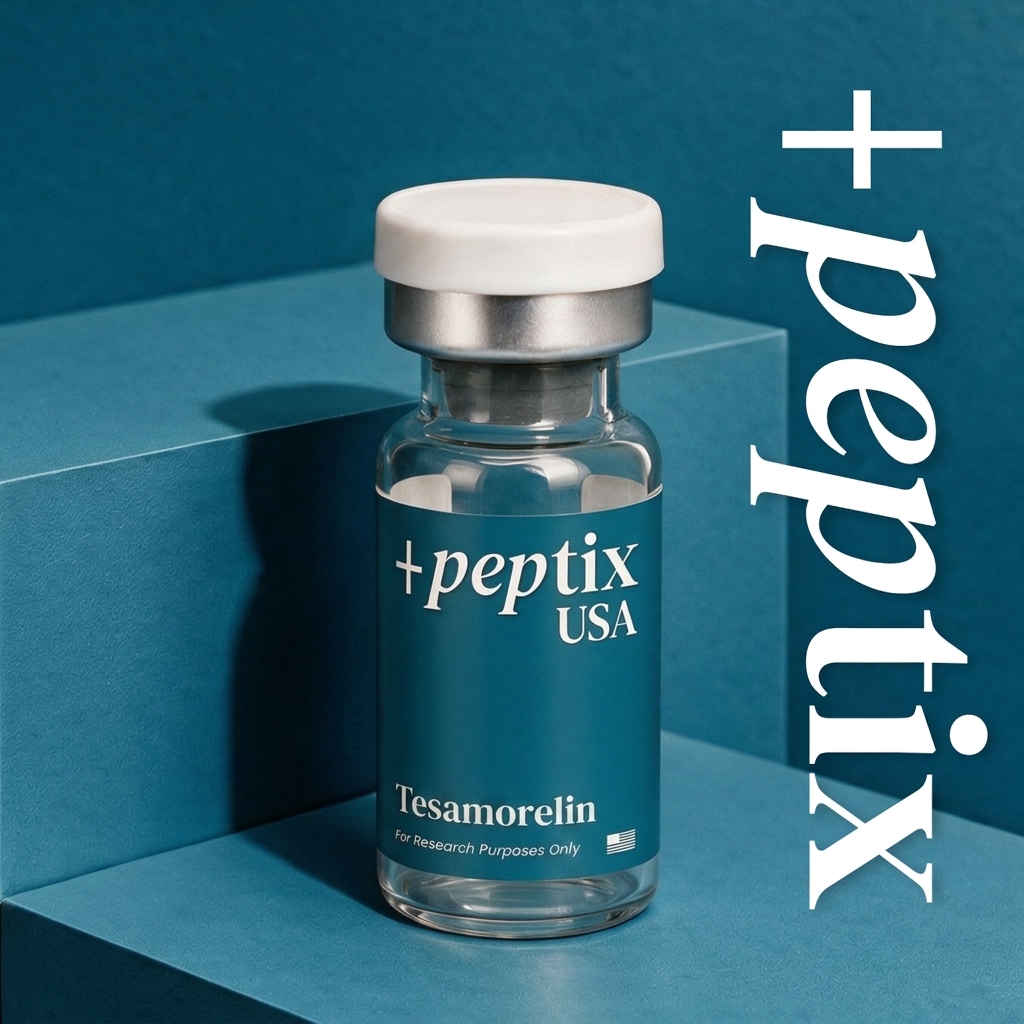
In recent years, the scientific community has witnessed a surge in interest surrounding the exploration of growth hormone-releasing factors and their potential impacts on human health and longevity. Among these, Tesamorelin has emerged as a notable compound for laboratory research, particularly in its potential applications for aging-related studies. As the global population continues to age, understanding the biological mechanisms that underpin aging is more crucial than ever. Tesamorelin, a synthetic peptide analog, is designed to stimulate the natural production of growth hormone, which may have significant implications for aging and age-related conditions.
Understanding Tesamorelin
Tesamorelin, a synthetic analog of growth hormone-releasing hormone (GHRH), is primarily utilized in laboratory settings to investigate its impact on various physiological processes. The compound has drawn attention due to its ability to enhance the secretion of endogenous growth hormone, which plays a pivotal role in numerous bodily functions.
Mechanism of Action
- Stimulates growth hormone production in the pituitary gland.
- Promotes protein synthesis and muscle growth.
- Facilitates lipid metabolism and body composition regulation.
Understanding these mechanisms provides a foundation for exploring how Tesamorelin might influence the aging process.
Research on Aging and Longevity
The potential of Tesamorelin Laboratory Research extends into the realm of aging, where the compound”?s ability to modulate growth hormone levels offers intriguing possibilities. Current research focuses on several key areas:
Reducing Age-related Fat Accumulation
- Tesamorelin has shown promise in reducing visceral fat, a known contributor to age-related health issues.
- Laboratory studies indicate potential benefits in improving metabolic health and reducing cardiovascular risks.
Enhancing Muscle Mass and Strength
- Maintaining muscle mass is crucial for healthy aging, and Tesamorelin’s anabolic properties may aid in this regard.
- Research suggests it could help counteract sarcopenia, the age-related decline in muscle mass and function.
Cognitive Function and Neuroprotection
- There is ongoing investigation into how growth hormone modulation might impact cognitive health and neurodegenerative conditions.
- Some studies suggest that Tesamorelin could offer neuroprotective benefits, although more research is needed.
Challenges and Considerations
While the potential benefits of Tesamorelin Research Compound are promising, there are important considerations to keep in mind. The safety profile and long-term effects of Tesamorelin need thorough evaluation through rigorous scientific inquiry. Researchers must also consider:
- The risk of side effects associated with growth hormone stimulation.
- The ethical implications of using such compounds in human populations.
- The balance between therapeutic benefits and potential risks.
Future Directions
Looking ahead, the role of Tesamorelin in aging research is poised to expand as scientists continue to unravel its potential. The focus on Tesamorelin Research Product will likely explore new therapeutic avenues and refine understanding of its applications. Key areas for future research include:
- Integration with other therapeutic strategies for comprehensive aging management.
- Longitudinal studies to assess long-term outcomes and safety.
- Potential applications in age-related diseases beyond current uses.
By advancing the understanding of Tesamorelin’s impact on aging, researchers can contribute to the development of innovative solutions that improve quality of life and extend healthspan. As such, the ongoing exploration of this compound in laboratory research holds significant promise for the future of aging science.