
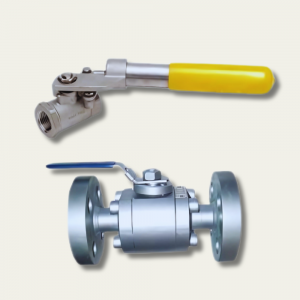
Three-way ball valves are a versatile component in various fluid control systems. Their design allows for efficient flow management and distribution, making them essential in industries ranging from chemical processing to water treatment. Understanding their function and application is crucial for engineers and technicians who seek to optimize their systems. This article delves into the workings of three-way ball valves, offering insights into their benefits and practical applications.
What is a Three-Way Ball Valve?
A three-way ball valve is a quarter-turn valve that features a ball with a bore through its center. The valve has three ports, allowing for multiple flow paths and directions. The ball’s position determines the flow direction, making it an ideal component for applications requiring diversion or mixing of fluids.
Types of Three-Way Ball Valves
- L-Port: The L-port design allows for diverting flow between two ports. This configuration is often used when the flow needs to be directed from one inlet to either of two outlets.
- T-Port: The T-port design enables the mixing of fluids or directing flow to multiple outlets simultaneously. It provides more flexibility in managing fluid pathways.
These configurations are crucial in designing systems that require precise flow control. Find out more about this approach to understand how each type can be applied effectively in various scenarios.
Advantages of Using Three-Way Ball Valves
Three-way ball valves offer numerous benefits that enhance system efficiency and reliability. Here are some key advantages:
- Versatility: Their ability to control and direct flow through multiple paths makes them suitable for a wide range of applications.
- Compact Design: The compact size of these valves allows them to be used in applications with space constraints.
- Ease of Maintenance: With fewer moving parts compared to other valve types, three-way ball valves require minimal maintenance.
- Cost-Effectiveness: Their multifunctionality reduces the need for additional valves, saving on installation and maintenance costs.
For more detailed insights into the benefits and applications, discover expert strategies here to enhance your understanding of fluid control systems.
Applications of Three-Way Ball Valves
The adaptability of three-way ball valves makes them indispensable in various settings. Some common applications include:
- Heating, Ventilation, and Air Conditioning (HVAC): Used for directing and mixing fluids in heating and cooling systems.
- Water Treatment: Efficiently manage the distribution of water and chemicals within treatment facilities.
- Chemical Processing: Control the flow of corrosive and non-corrosive fluids in chemical plants.
- Food and Beverage Industry: Maintain hygiene standards while ensuring precise flow control of liquids.
In each of these applications, the choice of valve type and configuration can significantly impact system performance. Learn about our tailored solutions to find the best fit for your specific needs.
Considerations for Selecting Three-Way Ball Valves
When selecting a three-way ball valve, several factors should be taken into account to ensure optimal performance:
- Material Compatibility: Choose materials that are compatible with the fluid to prevent corrosion and wear.
- Pressure and Temperature Ratings: Ensure the valve can withstand the operational pressures and temperatures of the system.
- Flow Requirements: Consider the flow rate and direction needed for the application.
- Connection Type: Select the appropriate connection type for easy installation and maintenance.
By considering these factors, engineers can optimize their systems for efficiency and longevity. Explore advanced guides and tips to aid in the selection process.
In conclusion, three-way ball valves are a critical component in fluid control systems, offering versatility, efficiency, and ease of use. Understanding their function and application can lead to improved system performance and cost savings. For comprehensive information and guidance, learn more about this approach to integrating three-way ball valves effectively.