
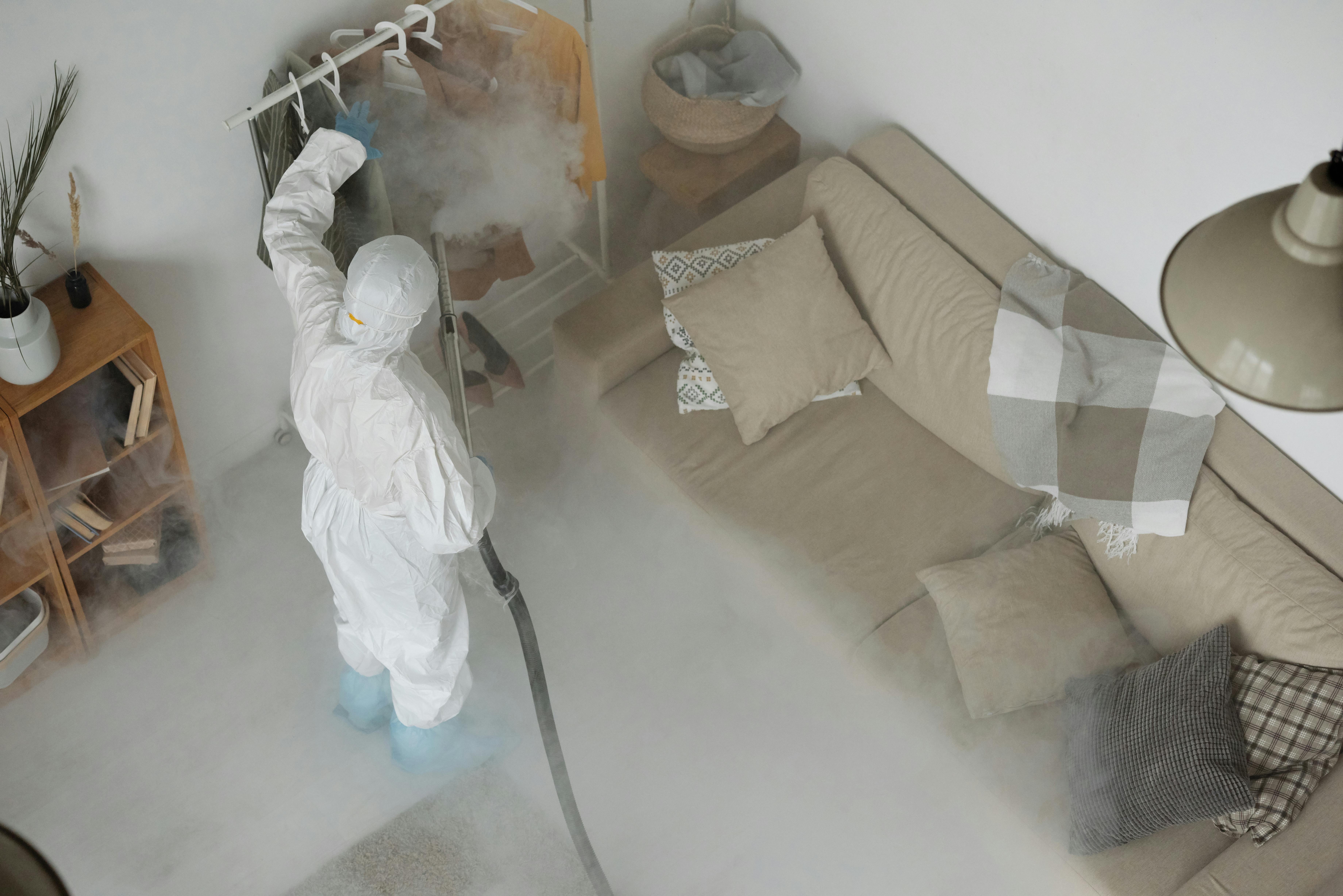
Wood borer infestations can pose serious risks to the integrity of wooden structures within any property. These tiny pests are known for their ability to burrow into wood, causing significant damage over time if left untreated. Understanding and implementing effective wood borer treatment is essential for maintaining the structural health and aesthetic value of your property. With the proper knowledge and preventive measures, property owners can protect their investments from these destructive insects.
Understanding Wood Borers
Wood borers are a group of insects whose larvae feed on wood. They can infest both hardwood and softwood, making them a common problem in residential and commercial properties. The most common signs of a wood borer infestation include:
- Small, round holes on the surface of wood.
- Powdery wood dust or frass around these holes.
- Weakened wooden structures that may sag or collapse.
Identifying these signs early can help in initiating timely treatment and preventing extensive damage. Read more about this topic.
Effective Wood Borer Treatment Strategies
1. Chemical Treatments
Chemical treatments are a common method for dealing with wood borers. These treatments involve applying insecticides to the affected areas to eliminate the pests. When using chemical treatments, it’s essential to:
- Ensure the product is suitable for the specific type of wood borer.
- Follow all safety instructions to protect human and pet health.
- Consider hiring a professional for large or severe infestations.
Learn more in this detailed guide on chemical treatments for wood borers.
2. Heat Treatment
Heat treatment is another effective method, especially for larger infestations. This technique involves raising the temperature of the affected area to a level that is lethal to the pests. Benefits of heat treatment include:
- No chemical residues left behind.
- Effective against all life stages of the insect.
- Environmentally friendly option.
However, heat treatment requires specialized equipment and should be conducted by professionals to ensure safety and effectiveness. Explore further insights here on heat treatment methods.
3. Preventive Measures
Preventing wood borer infestations is often more effective and less costly than treating an active infestation. Key preventive measures include:
- Regularly inspecting wooden structures for signs of infestation.
- Ensuring proper ventilation to reduce moisture levels, as damp wood is more susceptible to infestation.
- Applying wood preservatives to protect untreated wood.
Find additional information here to protect your property from future infestations: Find additional information here.
Conclusion
Wood borer infestations can cause substantial damage to any property, but with the right knowledge and treatment strategies, their impact can be minimized. Whether opting for chemical treatments, heat treatments, or preventive measures, understanding the nature of these pests and how to combat them is crucial. By taking proactive steps, property owners can ensure the longevity and safety of their wooden structures. For comprehensive insights into wood borer management, explore various resources available online, such as this guide.