
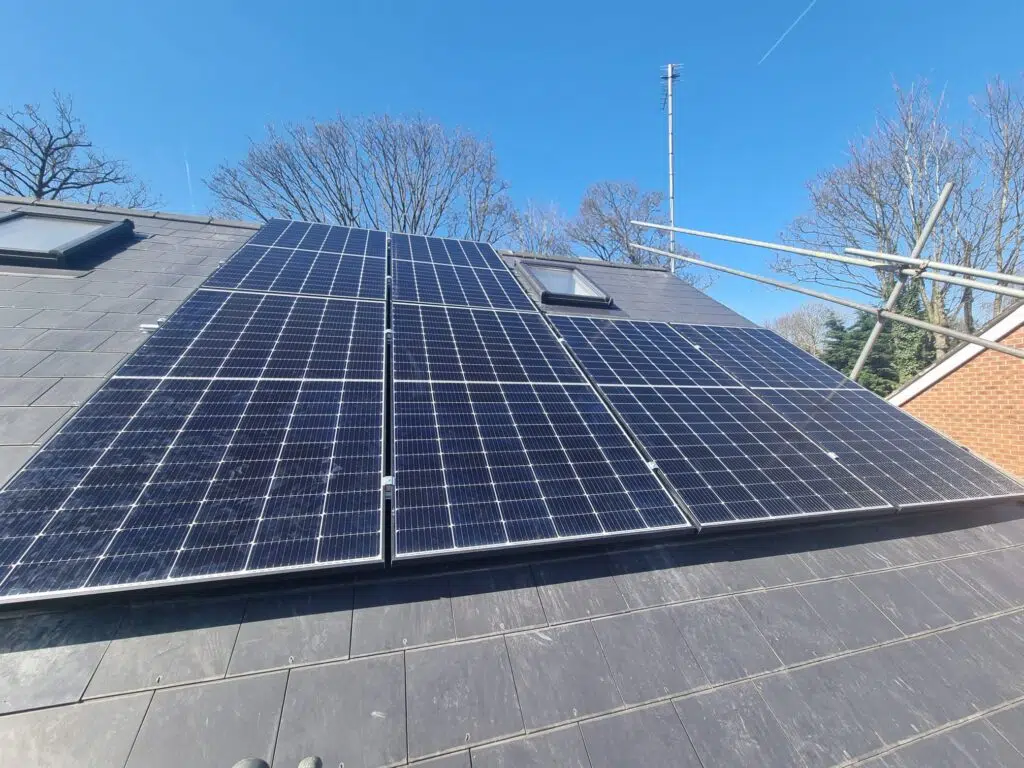
The growing concern for environmental sustainability has spurred an increase in the adoption of renewable energy sources, with solar energy taking center stage. Solar energy systems offer a viable solution to the pressing energy challenges of today, providing clean, renewable, and efficient power. As the world shifts towards sustainable practices, integrating solar energy systems into energy plans becomes crucial. These systems not only help in reducing carbon footprints but also contribute to energy independence and economic resilience. The transition to solar energy is not just a trend but a critical component in building a sustainable future.
The Fundamentals of Solar Energy Systems
Solar energy systems harness sunlight through photovoltaic cells, converting it into electricity. This technology has evolved significantly over the years, making solar panels more efficient and affordable. Understanding the basic components and functioning of these systems is essential for effective implementation.
Key Components
- Solar Panels: The primary component that captures sunlight and converts it to electricity.
- Inverters: Devices that convert the direct current (DC) generated by solar panels into alternating current (AC) for home or business use.
- Mounting Systems: Structures that secure solar panels in place, optimizing their exposure to sunlight.
- Battery Storage: Optional systems that store excess energy for use during non-sunny periods.
For those interested in the specifics of solar technology and its components, discover expert strategies here.
Benefits of Solar Energy Systems
Adopting solar energy systems brings numerous advantages that extend beyond environmental benefits. These systems are pivotal in transforming how energy is consumed and managed.
Environmental Impact
- Reduces greenhouse gas emissions significantly.
- Decreases dependence on fossil fuels.
- Promotes a cleaner and healthier environment.
Economic Benefits
- Reduces energy bills through self-generated power.
- Offers potential tax incentives and rebates.
- Enhances property value by integrating modern energy solutions.
To understand how solar energy can transform economic dynamics, learn about our tailored solutions.
Challenges and Considerations
While solar energy systems are promising, they also come with specific challenges and considerations that must be addressed to maximize their potential.
Initial Costs and Investment
- High upfront costs can deter potential adopters.
- Financing options and long-term savings often counterbalance initial investments.
Space and Location Requirements
- Adequate roof space or land area is necessary for installation.
- Geographical location can affect sunlight exposure and system efficiency.
For comprehensive advice on overcoming these challenges, find out more about this approach.
The Future of Solar Energy Systems
The future of solar energy systems looks promising as technological advancements continue to improve efficiency and affordability. Innovations in battery storage, smart grid technology, and solar panel materials are set to revolutionize the industry further. As solar energy becomes more integrated into everyday life, it will play a pivotal role in achieving global sustainability goals.
For insights into future trends and innovations in solar energy, explore advanced guides and tips.
In conclusion, solar energy systems represent a crucial step towards a sustainable future. Through strategic adoption and continuous innovation, these systems can deliver significant environmental and economic benefits. The transition to solar energy not only addresses current energy challenges but also paves the way for a cleaner, more sustainable planet.