
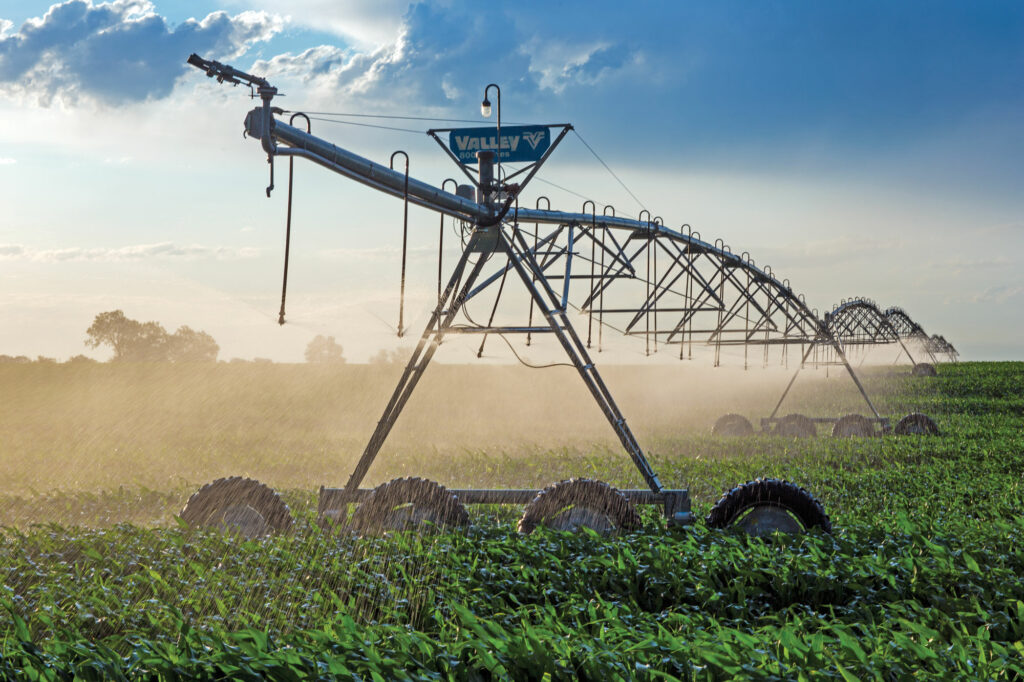
In an era where technology seamlessly integrates into various facets of agriculture, remote control of irrigation systems stands out as a pivotal innovation. This advancement not only enhances convenience but significantly improves the efficiency and sustainability of water usage. By enabling farmers and landowners to manage their irrigation systems remotely, it empowers them to make informed decisions that align with real-time conditions. As climate variability continues to challenge traditional farming methods, the ability to stay connected to irrigation systems from anywhere in the world is invaluable.
The Importance of Remote Irrigation Control
Remote control technology offers several critical benefits to the agricultural sector:
- Efficiency: Optimize water usage by precisely managing irrigation schedules to suit crop requirements and weather conditions.
- Cost-Effectiveness: Reduce operational costs by minimizing water waste and lowering labor expenses, as fewer onsite visits are necessary.
- Environmental Impact: Contribute to sustainable farming practices by ensuring water resources are used judiciously.
- Convenience: Access and control systems from anywhere, providing flexibility and peace of mind.
For those seeking to enhance their farming operations through technological solutions, explore advanced guides and tips on implementing remote irrigation control.
How It Works: The Technology Behind Remote Irrigation Systems
Remote irrigation systems typically incorporate the following components:
- Control Units: These are the central hubs that connect to sensors and valves, enabling real-time data collection and system adjustments.
- Sensors: Deployed throughout the field, these devices monitor soil moisture, temperature, and weather conditions to inform irrigation decisions.
- Communication Networks: Utilize cellular, Wi-Fi, or satellite connections to transmit data between the field and the user’s device.
- Mobile and Web Applications: Interfaces that allow users to monitor and control their systems remotely, providing updates and alerts.
Integrating these components creates a robust system that ensures optimal irrigation performance. Discover expert strategies here for maximizing the potential of remote control technology in irrigation.
Choosing the Right Remote Control System
Selecting the appropriate remote control system involves several considerations:
- Compatibility: Ensure the system is compatible with existing equipment and infrastructure.
- Scalability: Choose a solution that can grow with your needs, accommodating future expansions.
- User-Friendliness: Opt for systems that offer intuitive interfaces and easy setup processes.
- Support and Maintenance: Evaluate the availability of technical support and the ease of maintaining the system.
To make an informed decision, learn about our tailored solutions designed to meet diverse agricultural requirements.
Implementing Remote Control in Agricultural Practices
The implementation of remote control systems in agriculture requires a strategic approach:
- Assessment: Conduct a thorough assessment of the field conditions and irrigation needs.
- Planning: Develop a detailed plan that outlines the system’s configuration and operation.
- Installation: Engage with professionals for the installation of hardware and software components.
- Training: Provide comprehensive training to personnel to ensure proficient system management.
- Monitoring and Optimization: Continually monitor system performance and make necessary adjustments.
Effective implementation leads to enhanced productivity and resource conservation. Find out more about this approach to revolutionizing irrigation management.
Conclusion
Embracing remote control for irrigation systems is a forward-thinking step that aligns with modern agricultural practices. It empowers farmers to make data-driven decisions, optimize resource use, and contribute to environmental sustainability. As technology continues to evolve, the integration of remote control systems into agricultural operations will undoubtedly become more prevalent, paving the way for smarter and more efficient farming.