
As energy efficiency becomes increasingly crucial for both environmental and economic reasons, many homeowners are considering upgrading their heating systems. Ductless heat pumps have emerged as a popular choice due to their efficiency, flexibility, and potential cost savings. However, before making the switch, there are several key considerations to keep in mind to ensure optimal performance and satisfaction. This article explores these considerations, offering insights into what makes ductless heat pumps a viable option for many households.
Understanding Ductless Heat Pumps
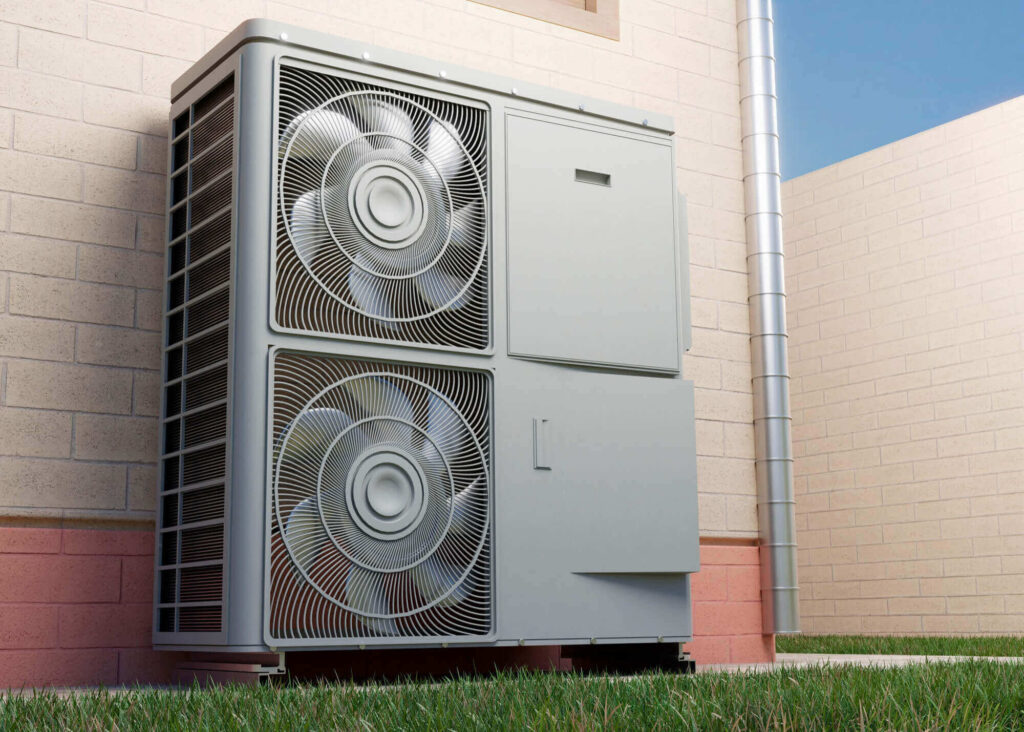
Ductless heat pumps, also known as mini-split systems, offer a versatile and efficient solution for heating and cooling. Unlike traditional systems that require ductwork, these units consist of an outdoor compressor and one or more indoor air handlers. This setup provides several advantages:
- Ease of Installation: Without the need for ductwork, installation is typically quicker and less invasive.
- Energy Efficiency: By delivering air directly to specific zones, ductless systems minimize energy loss.
- Flexibility: These systems can be customized to meet the specific heating and cooling needs of different areas within a home.
For more detailed information on how these systems work, explore advanced guides and tips on ductless heat pumps.
Considerations Before Upgrading
1. Assessing Your Home’s Needs
Every home has unique heating and cooling requirements. Before upgrading, it is essential to assess these needs:
- Climate: Consider the local climate to determine the heating capacity required.
- Size and Layout: The size and layout of your home can influence the number of units needed and their placement.
- Current System: Evaluate the limitations of your existing system to better understand what improvements a ductless heat pump can offer.
To better understand how to tailor a solution to your home, learn about our tailored solutions.
2. Budget and Cost Considerations
While ductless heat pumps can offer energy savings over time, the initial investment can be significant. Consider:
- Installation Costs: These can vary based on the complexity of the installation and the number of units required.
- Energy Savings: Calculate potential savings on energy bills to determine the return on investment.
- Incentives and Rebates: Look into available rebates or incentives that can offset initial costs.
For insights on financial aspects and incentives, find out more about this approach.
3. Maintenance and Longevity
Proper maintenance is crucial to ensure the longevity and efficiency of ductless heat pumps:
- Regular Cleaning: Clean filters and coils regularly to maintain efficiency.
- Professional Servicing: Schedule regular servicing with a qualified technician to inspect and tune the system.
- Warranty Coverage: Understand the warranty terms to ensure coverage for repairs and replacements.
To keep your system running smoothly, discover expert strategies here.
Conclusion
Upgrading to a ductless heat pump can be a wise decision for many homeowners looking to enhance energy efficiency and comfort. By considering factors such as your home’s specific needs, budget, and maintenance, you can make an informed decision that aligns with your long-term energy goals. For comprehensive guidance on ductless heat pumps, explore advanced guides and tips to ensure you make the best choice for your home.