
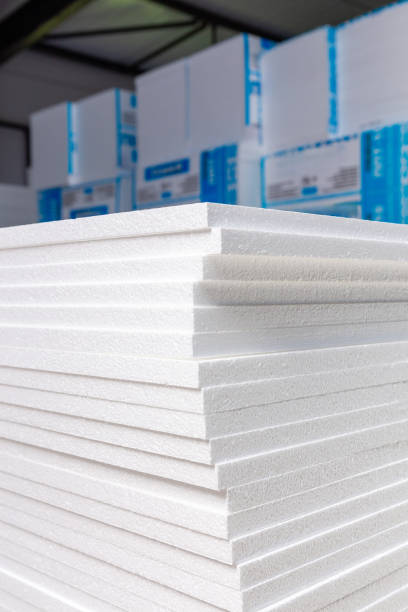
In today?s world, improving energy efficiency in buildings is not only an economic necessity but also a step towards environmental sustainability. Among various insulating materials available, expanded polystyrene (EPS) stands out as a popular choice due to its superior insulation properties. This versatile material is widely used in the construction industry to enhance the thermal resistance of buildings, thus playing a crucial role in reducing energy consumption and minimizing carbon footprints.
Understanding Expanded Polystyrene
Expanded polystyrene is a rigid and lightweight foam insulation material composed of pre-expanded polystyrene beads. These beads are fused together to form a closed-cell structure, which imparts excellent insulating properties. The material?s ability to trap air and its low thermal conductivity make it an ideal choice for insulation in various applications.
Benefits of Using EPS for Insulation
Expanded polystyrene foam offers several advantages that contribute to its popularity in the insulation market:
- Thermal Efficiency: EPS provides exceptional thermal insulation, helping to maintain consistent indoor temperatures and reduce heating and cooling costs.
- Moisture Resistance: Its closed-cell structure makes it resistant to moisture absorption, preventing mold growth and maintaining effectiveness over time.
- Durability: EPS is a durable material that retains its insulating properties over the lifespan of the building.
- Lightweight: The lightweight nature of EPS makes it easy to handle and install, reducing the overall construction time and labor costs.
- Environmental Impact: EPS is recyclable and contributes to reducing waste in construction projects.
EPS in Residential and Commercial Buildings
The use of expanded polystyrene foam is prevalent in both residential and commercial construction due to its versatility. In residential buildings, EPS is commonly used in walls, roofs, and floors to enhance thermal insulation. In commercial settings, it is often employed in large-scale projects where energy efficiency is a priority.
Comparing EPS with Other Insulation Materials
EPS is often compared with other insulation materials like fiberglass and mineral wool. Here are some aspects to consider:
- Cost-Effectiveness: EPS is generally more cost-effective compared to other insulation materials, providing significant energy savings without a high upfront cost.
- Installation: Due to its lightweight and rigid nature, EPS is easier to cut and fit into various spaces, offering a more straightforward installation process.
- Performance: While fiberglass and mineral wool have their own advantages, EPS often provides superior insulation due to its low thermal conductivity.
Conclusion
Expanded polystyrene is a valuable material in the quest for energy-efficient buildings. Its outstanding thermal properties, coupled with ease of installation and cost-effectiveness, make it a preferred choice for builders and architects. As the construction industry continues to seek sustainable solutions, EPS remains a pivotal component in achieving enhanced insulation efficiency.