
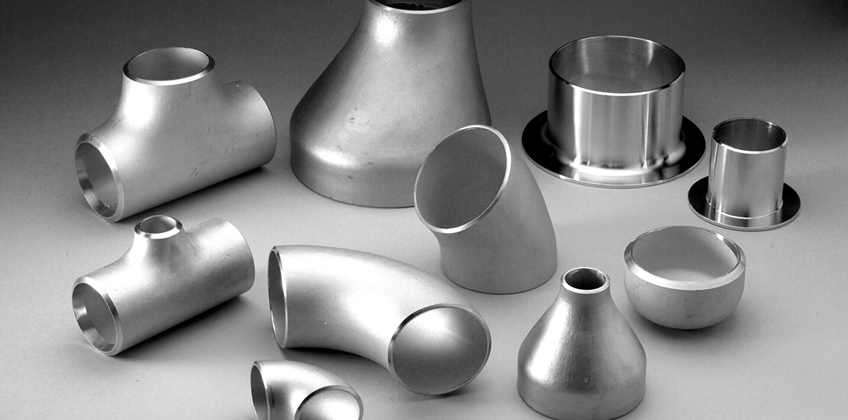
When embarking on a construction or industrial project, selecting the appropriate steel pipe joint is crucial for ensuring the integrity and efficiency of the system. With numerous options available, understanding the characteristics and applications of various pipe joints can significantly impact the success of a project. This article explores the key factors to consider when choosing the right steel pipe joint, with insights into different types and their specific uses.
Understanding Steel Pipe Joints
Types of Steel Pipe Joints
Different types of steel pipe joints are available, each with distinct features and suitable applications:
- Welded Joints: These provide a strong and permanent connection and are ideal for high-pressure applications. They require skilled labor and specialized equipment.
- Flanged Joints: Flanges are used to connect pipes, valves, and other equipment. These joints are easy to assemble and disassemble, making them suitable for maintenance-heavy environments.
- Threaded Joints: Commonly used in smaller pipe diameters, they offer ease of assembly without the need for welding. However, they are less suitable for high-pressure systems.
- Grooved Joints: Popular in fire protection systems and HVAC applications, these joints are quick to install and require minimal tools.
Factors to Consider
When selecting a steel pipe joint, several factors should be considered to ensure optimal performance and cost-effectiveness:
- Pressure and Temperature: The operating conditions of the system will dictate the type of joint that can withstand the required pressure and temperature levels.
- Material Compatibility: Ensure that the joint material is compatible with the pipes and the transported medium to prevent corrosion and wear.
- Installation Requirements: Consider the skills and tools required for installation, as well as the accessibility of the joint for future maintenance.
- Cost: Weigh the initial investment against the long-term savings in maintenance and replacement costs.
Applications of Steel Pipe Joints
Industrial Use
In industrial settings, the choice of a steel pipe joint can affect the efficiency and safety of the entire system. For instance, steel pipe joint options like welded and flanged joints are often preferred in petrochemical and power generation industries due to their reliability in high-pressure and high-temperature environments.
Construction Projects
In construction, selecting the right pipe joint is key to ensuring structural integrity and longevity. Grooved and flanged joints are frequently used in building services and infrastructure projects for their ease of installation and ability to accommodate thermal expansion.
Conclusion
Choosing the right steel pipe joint is a critical decision that impacts the performance and durability of a piping system. By understanding the various types of joints available and considering the specific requirements of a project, professionals can make informed decisions that enhance safety and efficiency. Whether for industrial or construction applications, the appropriate steel pipe joint will ensure the robustness and reliability of the piping infrastructure.