
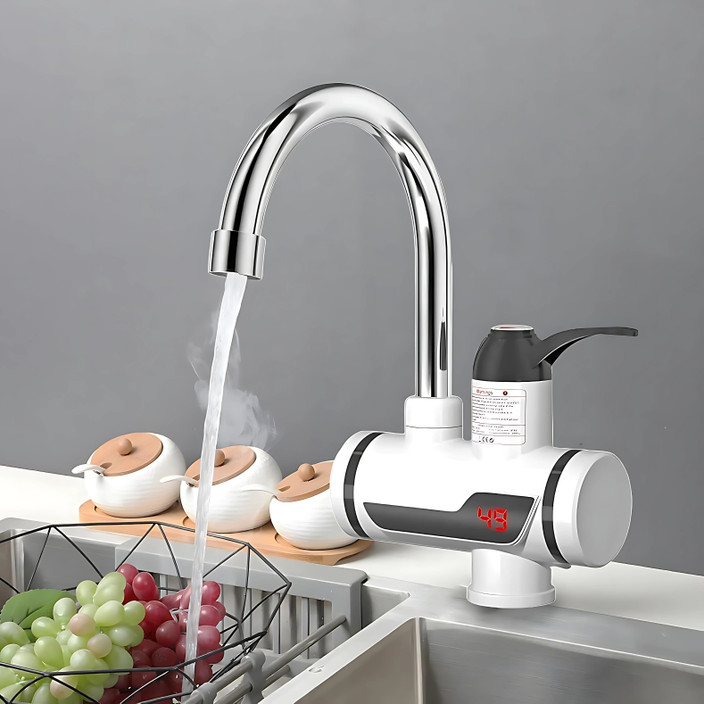
In the modern world, the demand for efficient and reliable hot water solutions is ever-increasing. Among the various options available, instant hot water heaters have gained popularity due to their ability to provide hot water on demand, saving both time and energy. These heaters are versatile, efficient, and come in various configurations, making them suitable for different household and commercial needs. This guide will explore the key considerations when choosing an instant hot water heater, ensuring a well-informed decision that aligns with specific requirements.
Understanding Instant Hot Water Heaters
An instant hot water heater, also known as a tankless water heater, heats water directly without the use of a storage tank. When a hot water tap is turned on, cold water travels through a pipe into the unit where it is heated either by a gas burner or an electric element. This results in a constant supply of hot water.
Advantages of Instant Hot Water Heaters
Choosing an instant hot water heater can offer numerous benefits, including:
- Energy Efficiency: Since these heaters only provide hot water when needed, they do not incur the standby energy losses associated with traditional storage water heaters.
- Continuous Hot Water Supply: They provide an endless supply of hot water, making them ideal for households with high demands.
- Space Saving: Compact designs allow for installation in smaller spaces, offering more flexibility in placement.
- Longevity: With proper maintenance, these units tend to last longer than traditional water heaters.
Key Considerations When Choosing an Instant Hot Water Heater
1. Type of Fuel
Instant hot water heaters can be powered by electricity, natural gas, or propane. Each type has its own advantages and considerations:
- Electric Heaters: Generally more energy-efficient and easier to install than gas models.
- Gas Heaters: May offer lower operating costs but require proper ventilation due to combustion gases.
2. Flow Rate
The flow rate, measured in gallons per minute (GPM), is a critical factor in ensuring the heater meets the household’s hot water needs. Consider the following:
- Determine the peak hot water demand in your household.
- Select a heater with a flow rate that can comfortably meet this demand.
3. Energy Efficiency Ratings
Consider the energy efficiency ratings when selecting a heater. Look for models with:
- Energy Star Certification: Ensures the unit meets specific energy efficiency criteria.
- High Energy Factor (EF): Indicates better efficiency and lower operating costs.
4. Installation and Maintenance
Proper installation and maintenance are crucial for the efficient operation of an instant hot water heater. Consider these aspects:
- Ensure professional installation to meet safety and performance standards.
- Regular maintenance, such as descaling, is essential for optimal performance and longevity.
Conclusion
Instant hot water heaters offer an efficient and space-saving solution for modern hot water needs. By understanding the key considerations such as fuel type, flow rate, and energy efficiency, consumers can make informed decisions that align with their specific requirements. Exploring options from trusted sources ensures a reliable and continuous supply of hot water, enhancing comfort and convenience in any setting.