
For gardeners and plant enthusiasts alike, finding the right soil amendments can make a significant difference in plant health and growth. One of the most effective amendments is big chunky perlite. This volcanic glass with a high water retention capacity not only aerates the soil but also helps in managing moisture levels, making it a vital component of any serious gardener’s toolkit. However, with various options available in the market, selecting the most suitable perlite for your plants can be challenging. This guide aims to simplify the selection process by highlighting key considerations and benefits of using large perlite for your plants.
Understanding Perlite and Its Benefits
Perlite is a form of volcanic glass that expands when heated. Its lightweight nature and porous structure make it ideal for improving soil aeration and drainage. Here are some benefits of using large perlite in gardening:
- Enhances soil aeration by allowing air to reach plant roots, promoting healthy root development.
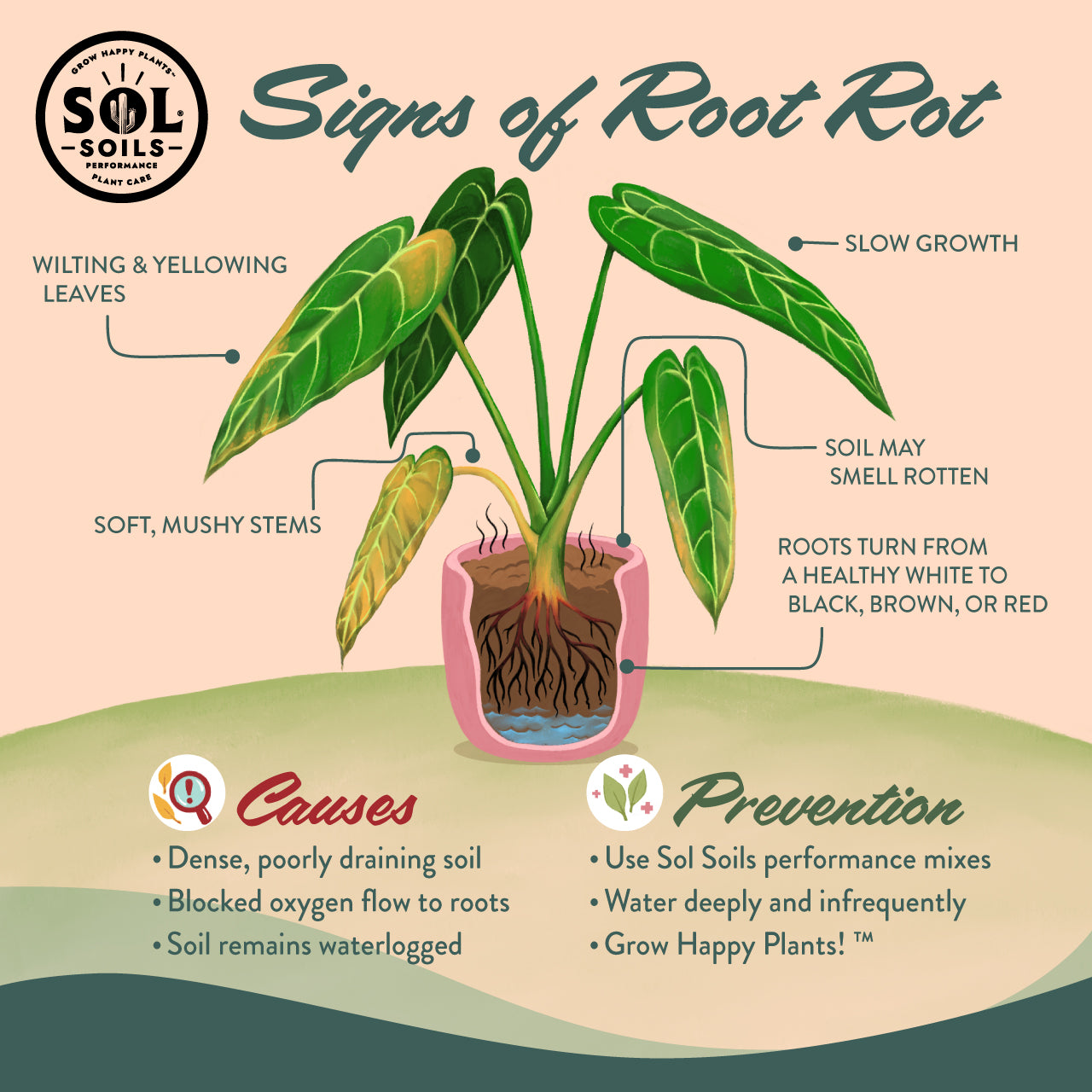
- Improves drainage, preventing waterlogging and reducing the risk of root rot.
- Retains moisture effectively, ensuring plants receive adequate hydration without becoming oversaturated.
- Lightweight and easy to handle, making it convenient for mixing with other growing media.
How to Choose the Right Size of Perlite
Consider Plant Type and Root Structure
Different plants have varying root structures and growth requirements. For instance, plants with extensive root systems, like tomatoes and peppers, benefit greatly from chunky perlite near me as it provides better aeration and space for roots to expand. On the other hand, smaller plants or seedlings may require finer perlite for optimal growth.
Evaluate Your Growing Environment
The climate and growing environment also play a crucial role in determining the appropriate size of perlite. In humid conditions, larger perlite pieces are recommended as they enhance drainage and reduce moisture retention, preventing fungal growth. Conversely, in arid environments, a finer perlite might be preferable to retain more moisture.
Where to Buy Perlite for Plants
When purchasing perlite, it’s essential to consider reputable suppliers that offer high-quality products. Look for perlite that is clean, free from dust, and appropriately sized for your needs. Many online resources provide access to quality perlite, making it easier to find the best options available.
Integrating Perlite into Your Gardening Practices
Once you’ve selected the right perlite, integrating it into your gardening routine is straightforward. Here?s how to do it effectively:
- Mix perlite with soil in a ratio that suits your plant’s needs. A common mixture is one part perlite to three parts soil.
- Ensure even distribution to avoid uneven drainage or aeration.
- For potted plants, layer perlite at the bottom of pots to improve drainage.
Conclusion
Choosing the right perlite for your plants involves understanding the specific needs of your plants, the growing environment, and the benefits that different sizes of perlite can offer. By considering these factors, you can ensure that your plants receive optimal care and thrive in their environment. Whether you are a novice gardener or an experienced horticulturist, investing in the right big chunky perlite can make a significant impact on your gardening success.