
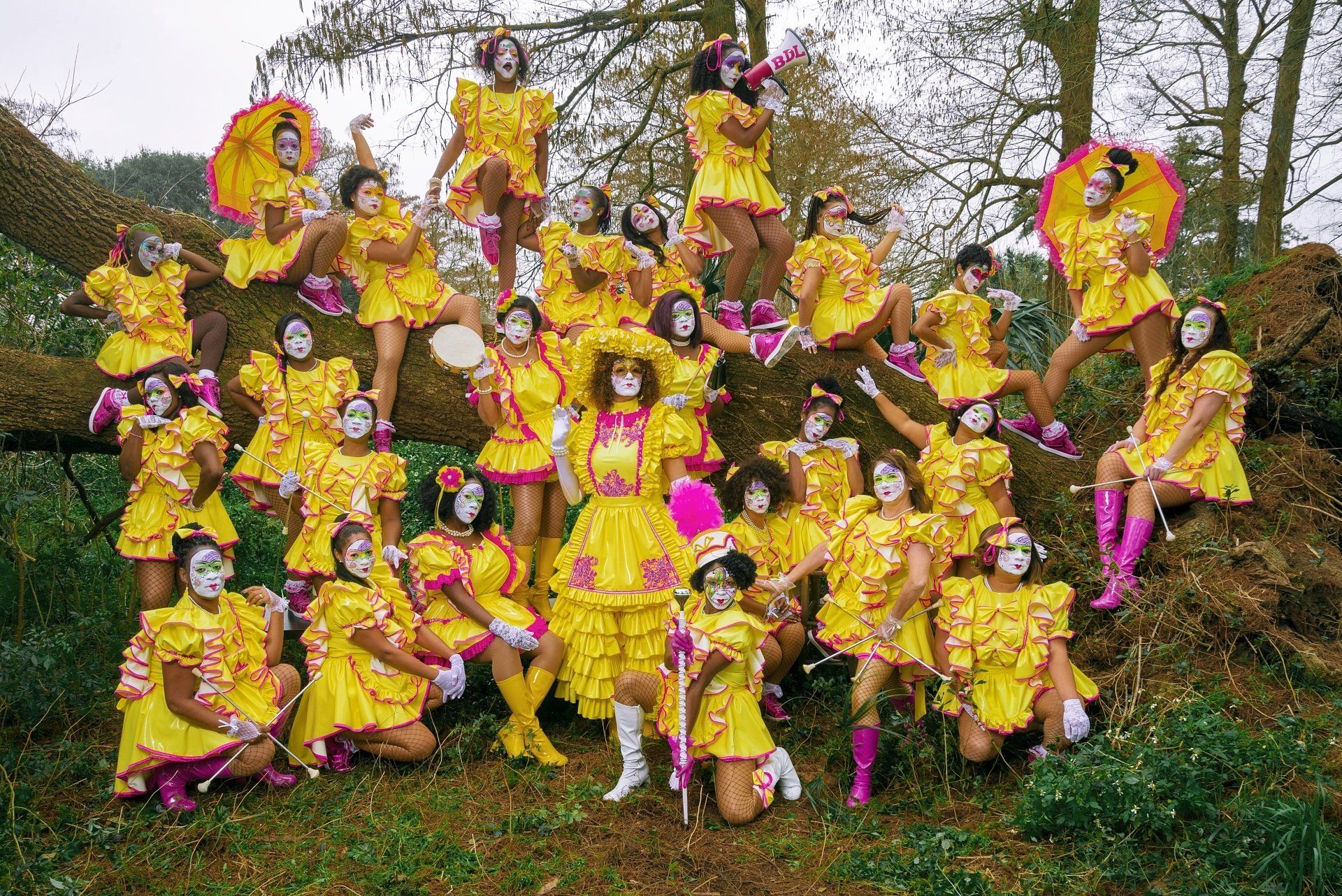
New Orleans Mardi Gras is an iconic celebration, a vibrant display of culture, history, and community spirit that captivates people worldwide. Known for its lively parades, colorful costumes, and rich traditions, Mardi Gras in New Orleans is more than just a party?it’s a deeply rooted cultural phenomenon. This article delves into the historical significance of Mardi Gras, its evolution, and how the city continues to embrace this spirited tradition. Understanding the history of Mardi Gras not only enriches one’s appreciation of the festivities but also offers insights into the cultural tapestry of New Orleans.
The Origins of Mardi Gras
The history of Mardi Gras in New Orleans dates back to the early 18th century. Brought to the region by French settlers, the term “Mardi Gras” translates to “Fat Tuesday,” marking the final day before Lent begins on Ash Wednesday. The celebration is deeply intertwined with Catholic traditions, reflecting a time of indulgence before the fasting period. Over the centuries, Mardi Gras has evolved, blending various cultural influences to become the grand spectacle it is today.
Key Historical Milestones
- 1703: Mardi Gras is first celebrated in the United States in Mobile, Alabama, by French settlers.
- 1857: The first Mardi Gras parade is organized by the Krewe of Comus in New Orleans, setting a precedent for future celebrations.
- 1872: The introduction of the official Mardi Gras colors?purple, green, and gold?and the first daytime parade led by the Rex organization.
- 1949: The first women’s parade is organized by the Krewe of Iris, contributing to the inclusivity of the festivities.
- 1991: A city ordinance is passed to desegregate Mardi Gras krewes, promoting diversity and unity.
The Modern Mardi Gras Experience
Today, Mardi Gras remains a dynamic celebration, attracting millions of visitors each year. The heart of the festivities lies in the parades organized by various krewes, each contributing to the vibrant tapestry of Mardi Gras with unique themes, floats, and throws. These parades are not just entertainment; they are a testament to the city’s creativity and commitment to tradition.
Elements that Define Mardi Gras
- Krewes: Social organizations that play a crucial role in planning and executing the parades. Each krewe has its own history and traditions, adding to the diversity of the celebrations.
- Floats: Elaborately decorated floats are a hallmark of the parades, often featuring satirical themes that reflect current events.
- Throws: Beads, doubloons, and other trinkets thrown from floats to parade-goers, a cherished tradition that adds an interactive element to the celebrations.
- Costumes: Participants and spectators alike don colorful costumes and masks, embodying the spirit of Mardi Gras.
Discover expert strategies here to experience Mardi Gras like a local and uncover behind-the-scenes insights into the organization of this grand event.
Cultural Impact and Legacy
Mardi Gras is more than a festival; it’s an integral part of New Orleans’ identity, influencing music, art, and community life. This celebration fosters a sense of unity, bringing together people from diverse backgrounds to revel in shared traditions. The cultural impact of Mardi Gras extends beyond the festivities, contributing to the cultural richness of New Orleans and reinforcing the city’s reputation as a hub of creativity and resilience.
Explore advanced guides and tips here to delve deeper into the cultural significance of Mardi Gras and its ongoing evolution in contemporary society.
Conclusion
Embracing the spirit of New Orleans Mardi Gras means appreciating its historical roots, celebrating its vibrant present, and anticipating its future impact. As a city that thrives on its cultural heritage, New Orleans invites everyone to participate in the joyous celebration of Mardi Gras. Whether a first-time visitor or a seasoned attendee, understanding the history and traditions of Mardi Gras enriches the experience, offering a deeper connection to the festivities and the city itself. Find out more about this approach here to enhance your understanding and appreciation of this extraordinary cultural event.