
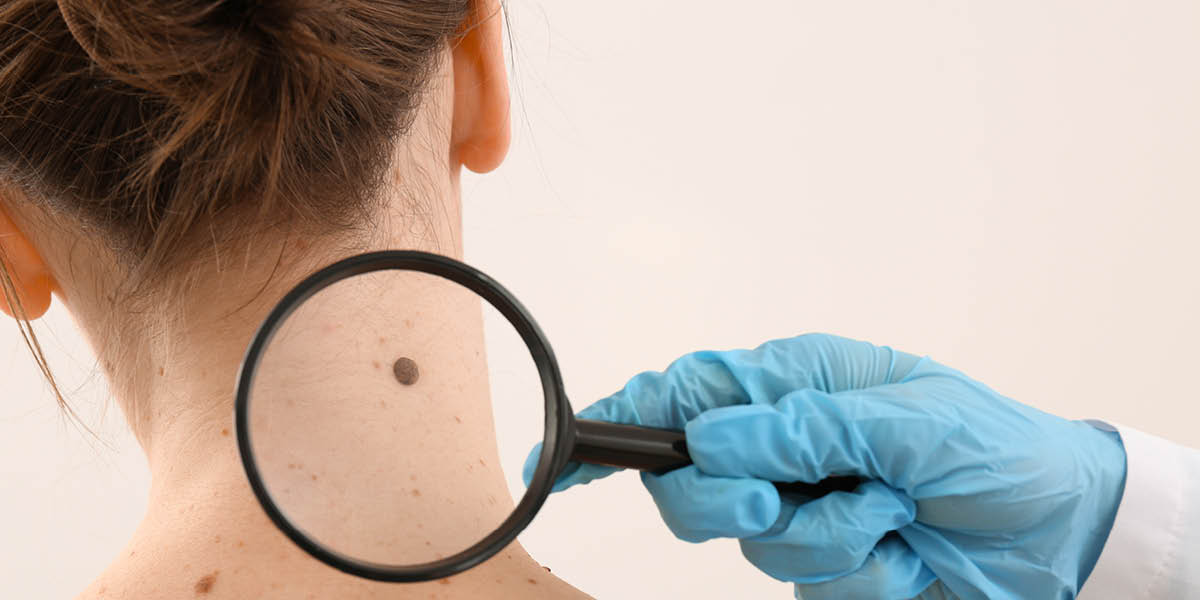
In the ever-evolving field of dermatology, clinical trials play a pivotal role in advancing our understanding of skin conditions and developing innovative treatments. Whether you are a patient seeking new treatment options or a healthcare professional interested in contributing to medical research, dermatology clinical trials offer a unique opportunity to be at the forefront of skin research. These trials are essential for evaluating the safety and efficacy of new dermatological therapies, and they often pave the way for breakthroughs that can significantly improve quality of life for individuals dealing with skin-related issues.
Understanding Dermatology Clinical Trials
Clinical trials in dermatology are research studies that involve volunteers to test new ways to prevent, detect, or treat skin diseases. These trials are meticulously designed to ensure the safety of participants while rigorously testing the potential benefits of new treatments. Participating in a clinical trial not only gives individuals access to cutting-edge therapies but also contributes to scientific knowledge that can help future patients.
Types of Dermatology Clinical Trials
Dermatology clinical trials can be categorized based on their primary focus:
- Treatment Trials: These trials evaluate the effectiveness of new medications, creams, or procedures in treating specific skin conditions.
- Prevention Trials: Aimed at finding better ways to prevent skin diseases from occurring.
- Diagnostic Trials: Focus on developing new tests or procedures for diagnosing skin conditions more accurately.
- Screening Trials: These trials test the best way to detect certain skin diseases or health conditions at an early stage.
- Quality of Life Trials: Explore ways to improve comfort and the overall quality of life for individuals with chronic skin conditions.
How to Participate in Dermatology Clinical Trials
Participating in clinical trials requires a thoughtful decision-making process. Here are some steps to consider:
- Research: Begin by researching available skin clinical trials that match your condition or interests. Consider reaching out to medical professionals or research institutions for recommendations.
- Eligibility: Each trial has specific eligibility criteria. It is important to ensure you meet these requirements before applying to participate.
- Informed Consent: Once eligibility is confirmed, participants must provide informed consent, indicating they understand the trial’s scope, potential risks, and benefits.
- Commitment: Participation may require regular visits, adherence to treatment protocols, and thorough follow-up. Ensure you can commit to the trial?s duration and requirements.
Finding Dermatology Clinical Trials Near You
Locating dermatology clinical trials near me can be facilitated through several resources:
- Clinical Trial Registries: Online registries like ClinicalTrials.gov provide comprehensive lists of clinical trials worldwide, including dermatology-specific studies.
- Medical Centers and Universities: Many academic institutions and large hospitals conduct clinical trials. Contacting their dermatology departments could provide valuable information.
- Healthcare Providers: Dermatologists and primary care physicians can offer insights and guidance based on your medical history and current condition.
Benefits and Considerations of Participating in Clinical Trials
Participating in dermatology clinical trials offers several benefits, but it is essential to weigh these against potential risks:
- Access to New Treatments: Participants often gain access to new therapies before they are widely available.
- Contribution to Medical Science: Your involvement helps advance scientific knowledge and can lead to breakthroughs in dermatological care.
- Close Monitoring: Participants receive close medical attention, which can be reassuring for those with chronic conditions.
- Potential Risks: As with any medical treatment, there may be side effects or risks. Understanding these ahead of time is crucial.
- Time Commitment: Clinical trials may require significant time and effort, impacting daily routines.
Engaging with dermatology clinical trials is a meaningful way to contribute to the development of new treatments and enhance the field of dermatology. Whether through direct participation or by spreading awareness, each effort makes a difference in the journey towards better skin health for all.